One Blood Draw, Fifty Cancers: What the FDA's Likely Approval of Grail's Galleri Test Means for Early Detection
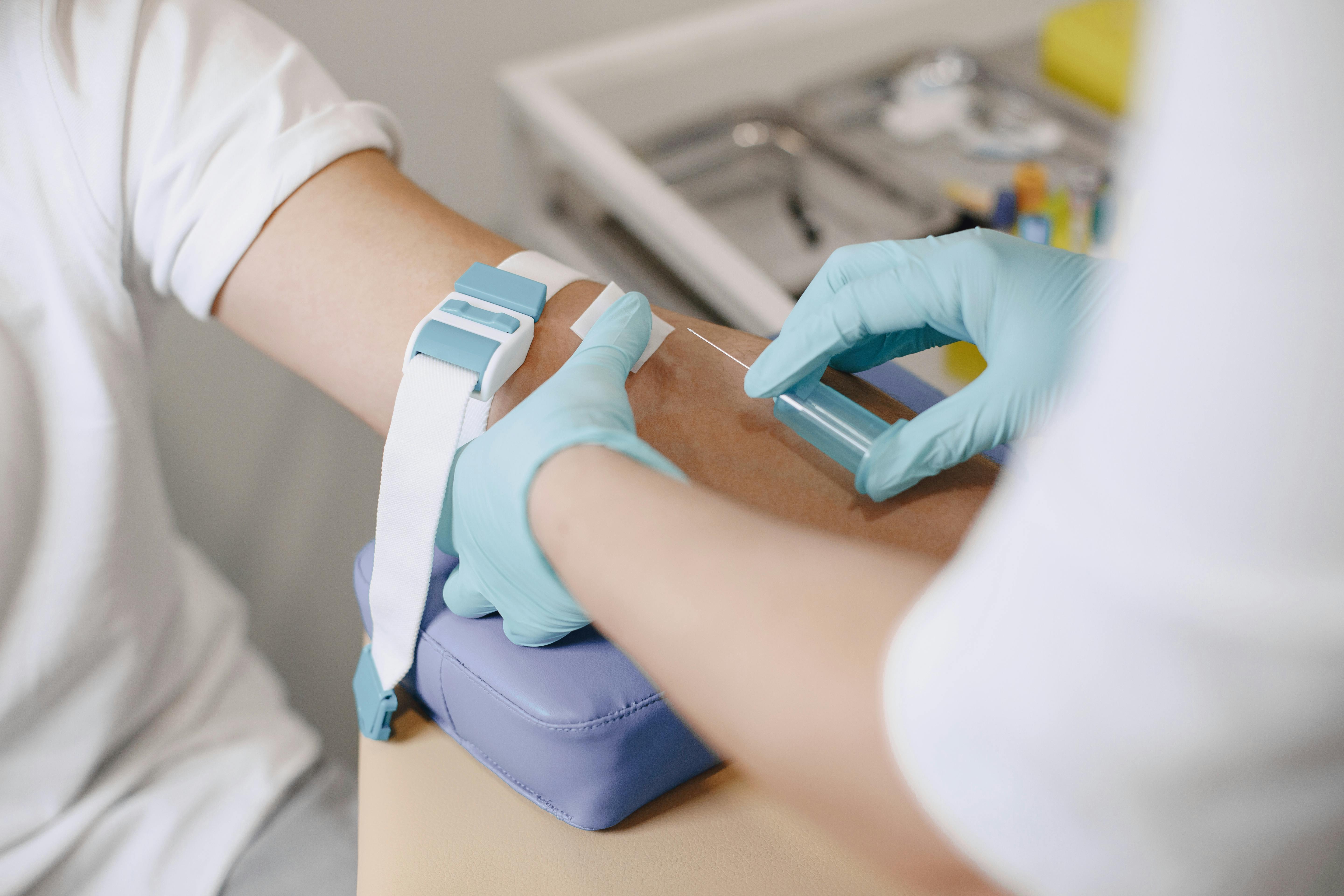
On September 24, 2026, a panel of independent experts advising the FDA voted 7-2 that the probable benefits of Grail's Galleri multicancer early detection blood test outweigh its risks. The panel voted unanimously that the test is safe. It voted 6-4 on effectiveness. And with those numbers, the FDA's first-ever approval of a device that screens for multiple cancer types from a single blood draw moved from a speculative possibility to something that looks, in the words of Canaccord Genuity analysts, like a "solid predictor of FDA approval."
That framing understates what is actually at stake. Galleri is not a better version of an existing test. It is a fundamentally different kind of diagnostic, one that attempts to do something no approved device has ever done: screen for dozens of cancer types simultaneously, including many that have no existing screening method at all, from a single blood draw. If the FDA follows its advisory panel's recommendation, as it does most of the time, the approval will represent one of the more consequential shifts in cancer medicine in a generation.
What Galleri Actually Does
The science behind Galleri is worth understanding, because it explains both the test's promise and the legitimate concerns the advisory panel raised. Cancer cells shed fragments of DNA into the bloodstream as they grow and die. These fragments carry distinctive chemical modifications, specifically methylation patterns, that differ from the patterns found in healthy tissue. Grail's test analyzes these cell-free DNA methylation signatures to detect whether a cancer signal is present in the blood, and if so, to identify the tissue type or organ most likely to be the source.
The elegance of the approach is that it is not cancer-type-specific. A colonoscopy screens for colorectal cancer. A mammogram screens for breast cancer. Galleri, in theory, screens for all of them at once, plus dozens of cancers that have no standard screening test at all, including pancreatic, ovarian, and esophageal cancers that are frequently diagnosed at late stages precisely because there is no routine way to find them early. The test has been commercially available as a laboratory-developed test since 2021, a regulatory pathway that does not require FDA approval. The PMA application now before the FDA would, if approved, give Galleri a formal regulatory imprimatur that changes how payers, health systems, and physicians think about incorporating it into standard care.
The Data Behind the Vote
The advisory panel's deliberations were not a rubber stamp. The vote on effectiveness was 6-4, a narrower margin than the safety vote, and the debate during the daylong meeting surfaced real concerns about the evidentiary foundation for some of the test's claims. The NHS-Galleri trial, a large real-world study conducted in the United Kingdom, missed its primary endpoint. Grail has emphasized that the data showed a meaningful shift toward earlier-stage cancer detection, and the company says Galleri detects four to seven times more cancers compared with standard of care alone. But several panel members were cautious about the reliability of the test's performance across specific cancer types where the data are thinner.
"We don't have the evidence in front of us today to say this test can detect those types of cancers, and until we do, I don't think we can say that Galleri can detect those cancers," said Charity Morgan, professor of biostatistics at the University of Alabama, capturing the tension at the heart of the panel's deliberations. The concern is not that the test does not work. It is that the evidence for how well it works varies considerably across the more than fifty cancer types it claims to screen for, and that the aggregate performance numbers may obscure meaningful variation in sensitivity and specificity at the individual cancer level.
The false positive question received significant attention. A false positive result, one that indicates a cancer signal when none exists, triggers a cascade of follow-up testing, imaging, and procedures that carry their own risks and costs. The panel deemed the risk of a false positive low, but the concern is not trivial at population scale. If Galleri is eventually used by tens of millions of people annually, even a low false positive rate translates into a large absolute number of patients undergoing unnecessary workups.
The Replacement Risk
The panel's most consistent concern was not about false positives. It was about false reassurance. The worry is that patients who receive a negative Galleri result, meaning no cancer signal detected, might conclude they do not need to pursue guideline-recommended screenings for breast, cervical, colorectal, and lung cancer. Those screenings have decades of evidence behind them. Galleri does not replace them, and the panel voted unanimously to recommend that the test's labeling make this explicit.
Deborah Armstrong, professor of oncology at Johns Hopkins School of Medicine, articulated the concern clearly: "The biggest concerns are people being falsely reassured and not getting recommended screening, and then the very small number of people who have a false positive, and the exposure they get to follow-up testing. But if people are well informed, I think that's acceptable." That conditional, "if people are well informed," is doing a lot of work. The history of medical testing suggests that patients frequently misinterpret negative results as broader reassurance than the test actually provides, and that the communication burden on clinicians is substantial.
What Approval Would Actually Change
The commercial and clinical implications of an FDA approval are significant, but they are not straightforward. Galleri has been available since 2021, and uptake has been limited by the absence of insurance coverage. Most payers have declined to cover the test pending FDA authorization, citing the lack of a formal regulatory review. An approval changes that calculus, but it does not guarantee coverage. Medicare and commercial insurers will need to make their own coverage determinations, and those decisions will hinge on whether the test meets the evidentiary standards for clinical utility, not just analytical validity.
The panel's testimony from patients who credited Galleri with detecting their cancers early was genuinely moving. Kevin McFarland, a retired Ohio firefighter, described how the test caught his esophageal cancer at stage one. "To have this test catch my cancer that early, it truly saved my life," he told the panel. That kind of testimony is not data, but it is not nothing either. It is a reminder that the abstract statistical debates about sensitivity and specificity have concrete human stakes, and that for the cancers Galleri detects reliably and early, the benefit is not marginal.
The Broader Shift in Cancer Screening
The Galleri advisory panel vote is part of a broader transformation in how the medical community thinks about cancer detection. The traditional model, in which each cancer type has its own dedicated screening test administered on its own schedule, is being challenged by liquid biopsy technologies that promise to consolidate and expand screening through a single blood draw. Grail is not the only company pursuing this approach. Exact Sciences, Guardant Health, and others are developing competing multicancer detection platforms, and the regulatory and clinical standards established for Galleri will shape how the entire category is evaluated.
The FDA's decision, expected in the coming months, will not just determine whether Galleri reaches the market with a formal approval. It will establish the evidentiary framework for a new class of diagnostic that could, over time, fundamentally change the relationship between patients and cancer screening. The panel's caution about the limits of the current data is appropriate. The science is real, the potential is substantial, and the questions about how to communicate the test's capabilities and limitations to patients are genuinely hard. Getting those answers right matters as much as the approval itself.