Targeting the Root: What Celldex's Barzolvolimab Phase 3 Data Mean for Chronic Hives
Celldex's barzolvolimab Phase 3 data show complete response rates of 42-54% in chronic spontaneous urticaria, including patients who failed omalizumab. Here is what the mechanism means and why it matters.

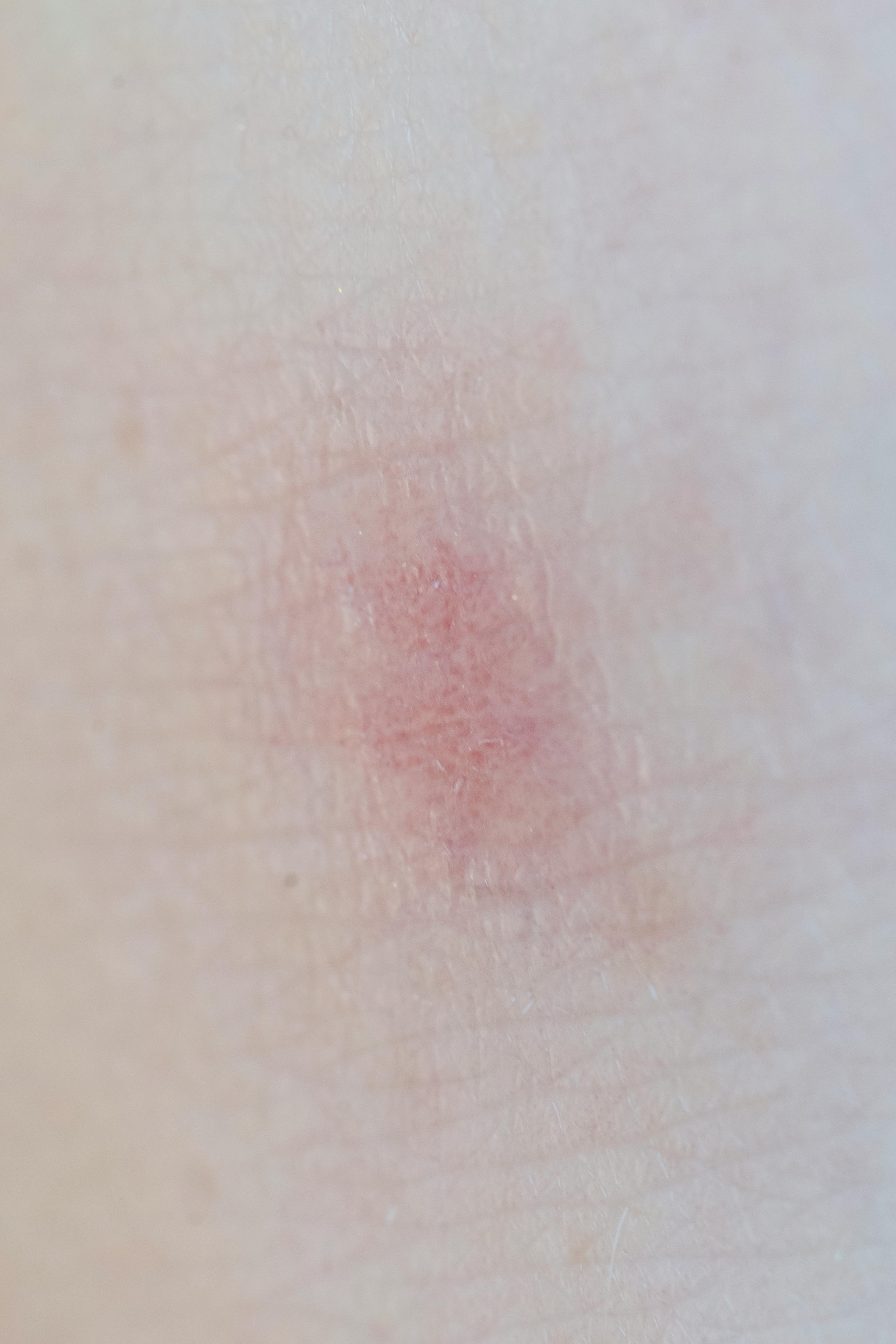
Chronic spontaneous urticaria is not a disease that generates the kind of headlines reserved for cancer breakthroughs or gene therapy firsts. It is a condition defined by unpredictable hives, unbearable itch, and episodes of disfiguring swelling that arrive without warning and depart on their own schedule. For the estimated 1.8 million Americans living with it, the experience is one of relentless uncertainty. On September 22, 2026, Celldex Therapeutics announced Phase 3 data for barzolvolimab that may fundamentally change what that uncertainty looks like.
The EMBARQ-CSU1 and EMBARQ-CSU2 trials, the largest Phase 3 program ever conducted in antihistamine-refractory CSU, enrolled 1,939 patients across 43 countries and more than 500 sites. Both studies met their primary endpoint with statistical significance at p less than 0.00001: a clinically meaningful reduction in the Urticaria Activity Score over seven days at Week 12. The complete response rate, meaning patients who were entirely symptom-free with no itch and no hives, reached approximately 42 to 46 percent at Week 12 and deepened to 45 to 54 percent at Week 24, compared to 9 to 13 percent and 15 to 18 percent on placebo, respectively. In patients whose disease had already failed omalizumab, the current standard of care, complete response rates at Week 12 reached 41 to 55 percent. Every key secondary endpoint was met across both studies.
Why the Mechanism Matters
To understand why these numbers are striking, it helps to understand what barzolvolimab actually does, and why it is different from everything that came before it. The existing approved therapies for CSU work by targeting specific triggers or mediators of the inflammatory response. Omalizumab, approved in 2014, neutralizes IgE, the antibody that sits upstream of mast cell activation. Dupilumab, approved in April 2025, blocks the IL-4 and IL-13 signaling pathways that drive type 2 inflammation. Remibrutinib, approved in September 2025, inhibits Bruton's tyrosine kinase, a signaling molecule involved in B cell and mast cell activation. Each of these approaches addresses a different node in the inflammatory cascade, but none of them targets the mast cell itself.
Barzolvolimab does. It is a humanized monoclonal antibody that binds with high specificity to the KIT receptor, a tyrosine kinase expressed abundantly on mast cells and critical for their survival, proliferation, and tissue recruitment. By blocking the interaction between KIT and its ligand, stem cell factor, barzolvolimab depletes mast cells at the source. The result is not a modulation of mast cell activity but a reduction in the mast cell population itself. That distinction is not semantic. It is the reason the drug produces complete responses in patients who have already failed omalizumab, a population that has historically had very few options.
The Omalizumab-Refractory Problem
The omalizumab-refractory population deserves particular attention because it represents the most difficult-to-treat segment of the CSU landscape and the one where the unmet need is most acute. Approximately 30 percent of patients with antihistamine-refractory CSU do not achieve adequate control with omalizumab. For these patients, the treatment algorithm has historically offered cyclosporine, an immunosuppressant with a significant side effect burden, or off-label options with limited evidence. Dupilumab's approval in 2025 added a new option, but the LIBERTY-CUPID Study B, which enrolled omalizumab-refractory patients specifically, did not achieve statistical significance on its primary endpoints, raising questions about dupilumab's utility in this population.
Barzolvolimab's complete response rates of 41 to 55 percent in omalizumab-refractory patients are therefore not just a competitive data point. They represent a genuine clinical advance for a population that has been running out of options. The mechanism explains the result: if a patient's disease is not controlled by neutralizing IgE, it is because the mast cells driving their symptoms are being activated through pathways that do not depend on IgE. Depleting the mast cells themselves bypasses that problem entirely.
Durability and What It Suggests About Disease Modification
The Phase 2 data that preceded the EMBARQ program contained a finding that generated significant scientific interest and that the Phase 3 results now reinforce. In the Phase 2 study, up to 41 percent of patients maintained a complete response seven months after receiving their last dose of barzolvolimab. Tryptase levels, a biomarker of mast cell burden, normalized during treatment and remained suppressed even after drug clearance. The kinetics of disease activity tracked closely with tryptase suppression throughout the study, suggesting that the clinical benefit was mechanistically linked to mast cell depletion rather than to a direct pharmacological effect that would disappear when the drug left the system.
This pattern is consistent with disease modification, a term that carries significant weight in immunology because it implies that the drug is not merely controlling symptoms while it is present but is altering the underlying biology in a way that persists after treatment ends. Whether barzolvolimab is genuinely disease-modifying in CSU will require longer follow-up and more rigorous study design to establish definitively. But the off-treatment durability signal is real, and it distinguishes barzolvolimab from the existing approved therapies in a way that could matter considerably for how physicians and patients think about treatment goals.
A Crowded Market With Room for Differentiation
The CSU treatment landscape has changed substantially in the past two years. The approval of dupilumab in April 2025 and remibrutinib in September 2025 added two new mechanisms to a field that had been dominated by omalizumab for more than a decade. The global CSU market was valued at approximately two billion dollars in 2025 and is projected to grow significantly as new therapies reach patients. Into this increasingly competitive environment, barzolvolimab arrives with a differentiated mechanism, a large and well-powered Phase 3 dataset, and efficacy data in the omalizumab-refractory population that no currently approved therapy has matched.
The competitive question is not whether barzolvolimab will find a place in the treatment algorithm. The Phase 3 data make that outcome highly likely, assuming the BLA submission planned for 2027 proceeds on schedule and the FDA review is favorable. The more interesting question is where in the algorithm it will sit. Celldex has described barzolvolimab as a potential best-in-disease treatment, a characterization that the complete response rates and omalizumab-refractory data support. Whether it becomes a first-line biologic option, a second-line option for patients who fail omalizumab, or a treatment reserved for the most refractory cases will depend on how payers, guidelines committees, and prescribers interpret the data relative to the existing options.
What Comes Next
The EMBARQ-CSU1 and EMBARQ-CSU2 studies are ongoing, with patients continuing through the 52-week active treatment period and a global long-term extension study already established. The full dataset, including longer-term efficacy, durability off treatment, and the complete safety profile across nearly 2,000 patients, will provide the evidentiary foundation for the BLA submission. Barzolvolimab is also being studied in Phase 3 trials for cold urticaria and symptomatic dermographism, and in Phase 2 studies for prurigo nodularis and atopic dermatitis. The KIT inhibition platform, if it continues to perform as the CSU data suggest, could extend well beyond chronic urticaria into a broader range of mast cell-driven inflammatory conditions.
For the 1.8 million Americans with CSU, and the many more globally, the EMBARQ results represent something more immediate than a pipeline story. They represent the first clinical evidence, at Phase 3 scale, that targeting the mast cell directly produces complete symptom freedom in roughly half of patients, including those who have already failed the best available therapy. That is a different kind of result than the field has seen before, and it is the kind of result that changes what physicians can offer and what patients can expect.