When There Is No Approved Treatment: The Race to Deploy Mapp Bio's Experimental Ebola Antibody
The WHO has declared the Bundibugyo Ebola outbreak a global health emergency. With no approved treatments, the US government has turned to a small San Diego biotech and its experimental antibody MBP134. The story reveals a structural gap in how the world prepares for infectious disease.

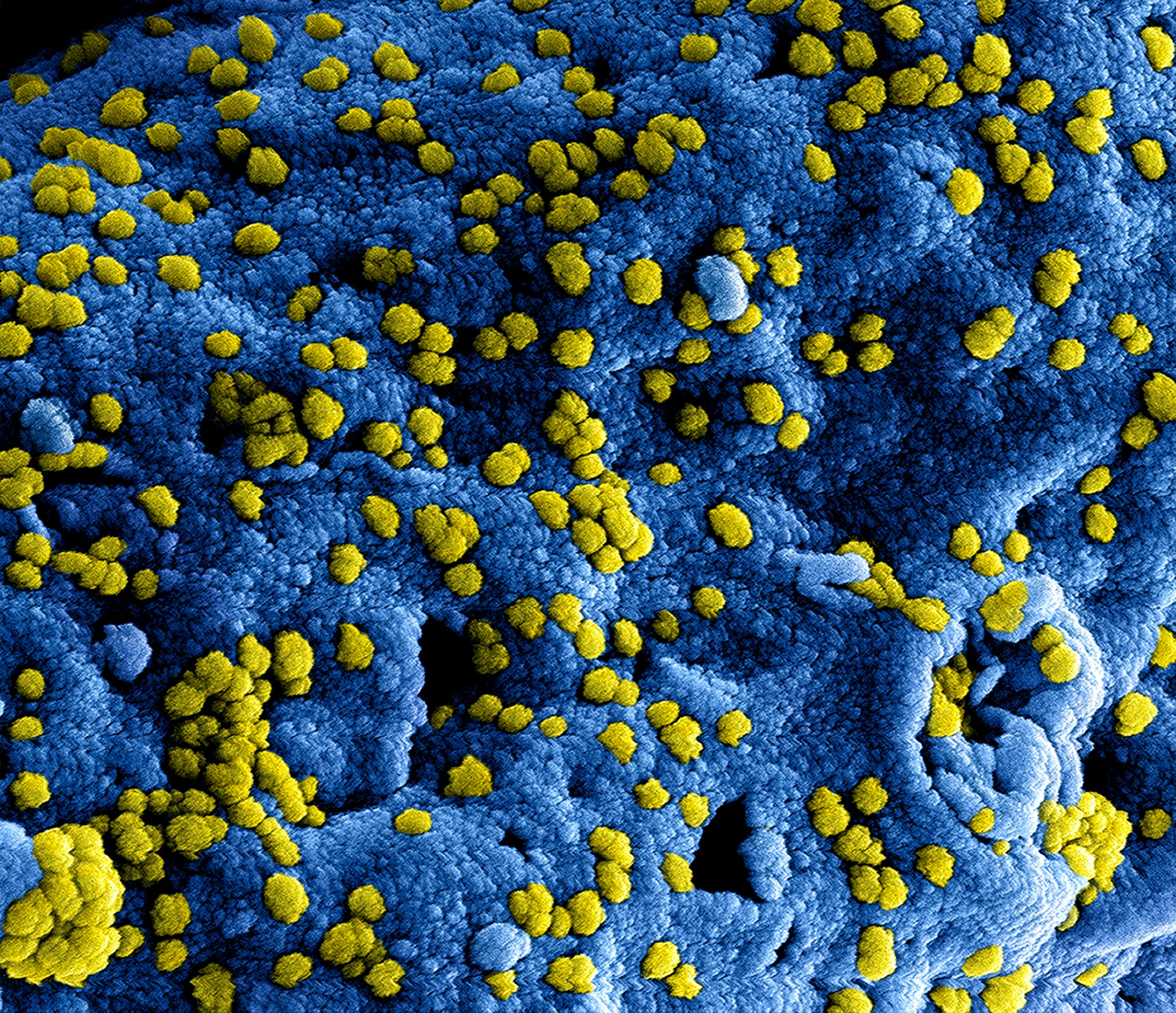
On May 17, 2026, the World Health Organization declared the Ebola outbreak spreading through the Democratic Republic of the Congo and Uganda a Public Health Emergency of International Concern. By that point, more than 500 suspected cases and 130 deaths had been reported, driven by the Bundibugyo species of the Ebola virus. The declaration was not a surprise to those watching the situation closely. What was surprising, at least to the broader public, was the name of the company the US government quietly turned to for help: Mapp Biopharmaceutical, a small, largely unknown biotech based in San Diego.
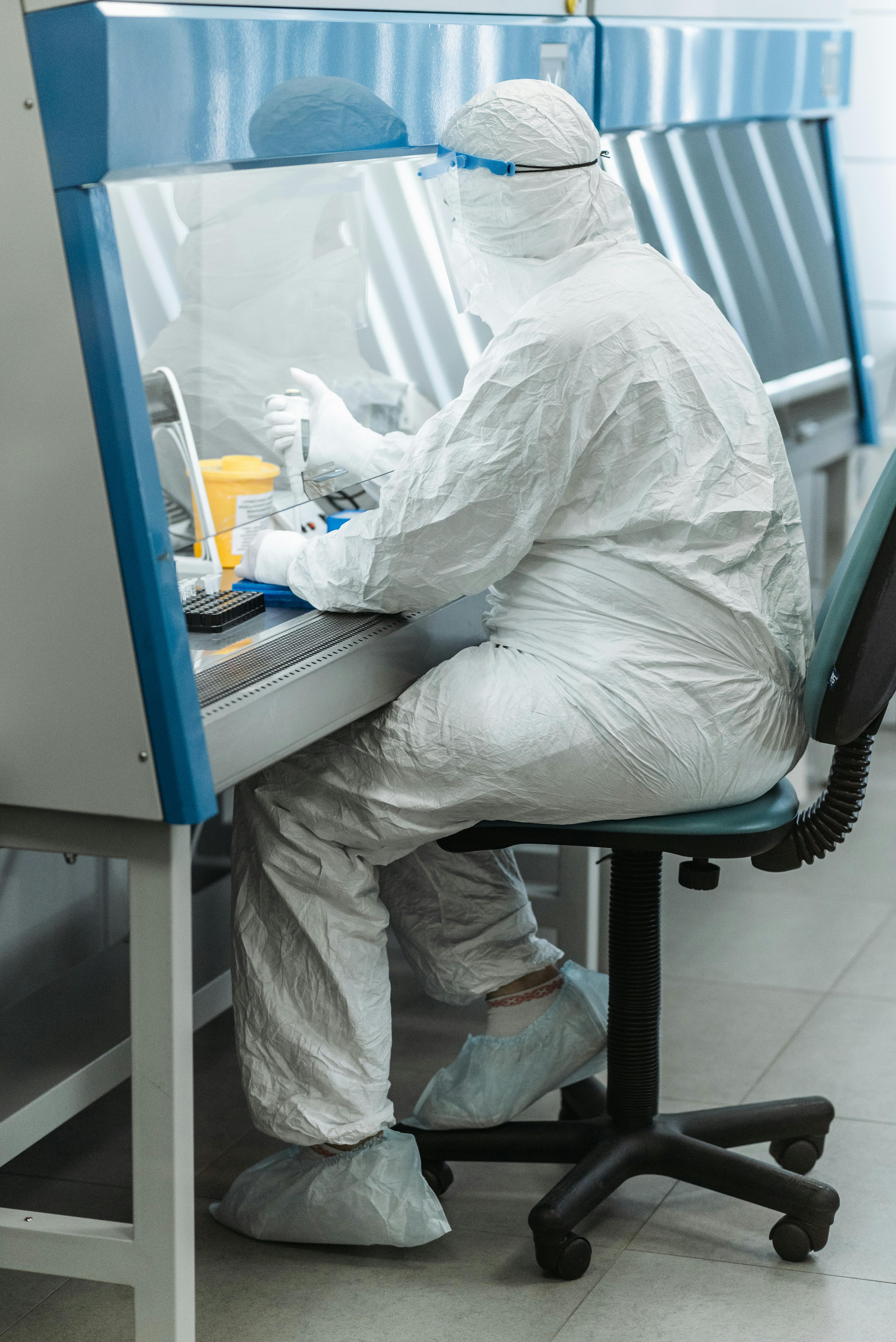
The Department of Health and Human Services confirmed that Mapp had shipped doses of its experimental antibody therapy, MBP134, for potential use in high-risk individuals. The move was coordinated with the FDA, the State Department, and the Administration for Strategic Preparedness and Response. It was a whole-of-government response to a crisis that exposed a persistent and uncomfortable truth about infectious disease preparedness: for some of the world's most dangerous pathogens, the pipeline of approved treatments remains essentially empty.
A Drug Born From Survival
MBP134 is not a new compound. The two antibodies that make up the cocktail were isolated from a survivor of the 2013 to 2016 West Africa Ebola outbreak, the deadliest in recorded history. Mapp's researchers identified that these antibodies could recognize multiple species of the Ebola virus, not just the Zaire strain that caused that epidemic. In a 2019 study led by virologist Thomas Geisbert at the University of Texas Medical Branch, MBP134 was tested in rhesus macaques infected with the Bundibugyo virus. Five of six animals that were already showing symptoms of disease recovered. That is a striking result for a filovirus, a family of pathogens known for their speed and lethality.
The drug has been used before in humans, but never in a formal clinical trial. During a 2022 Sudan virus outbreak in Uganda, MBP134 was administered under compassionate use protocols. Because it was not part of a controlled study, it was impossible to draw firm conclusions about efficacy. That gap in the evidence base is now being addressed. Nature reported that the WHO is working to launch a clinical trial in the DRC and Uganda, pending government approvals, that would evaluate both MBP134 and remdesivir, the broad-spectrum antiviral manufactured by Gilead Sciences that was previously tested in Ebola and COVID-19 outbreaks.
The Structural Problem Behind the Shortage
The Mapp story illustrates a structural challenge that the biotech industry and global health community have struggled to solve for decades. Developing treatments for rare, geographically concentrated infectious diseases is not commercially attractive. The patient populations are small, the outbreaks are unpredictable, and the regulatory pathway is complicated by the difficulty of running controlled trials in active outbreak settings. The result is that most of the serious work on filovirus therapeutics has been funded not by private capital but by government agencies, primarily BARDA, which owns the supply of MBP134 that Mapp has produced.
This is not a criticism of the pharmaceutical industry so much as a recognition of where market incentives break down. The drugs that exist for Ebola, including Inmazeb and Ebanga, which are approved for the Zaire species, were developed with substantial public funding and took years of sustained investment to reach approval. The Bundibugyo species, which causes less frequent outbreaks, has received less attention. The current crisis is a direct consequence of that prioritization gap.
What the Deployment of MBP134 Actually Means
The decision to ship MBP134 doses to the region is significant for several reasons. It signals that the US government views the outbreak as serious enough to warrant deploying an unapproved therapeutic outside of a trial context, at least for high-risk individuals such as healthcare workers. It also puts Mapp Biopharmaceutical in an unusual spotlight. The company has operated quietly for years, doing the kind of preclinical and early-stage work that rarely generates headlines. Its previous moment of public attention came in 2014, when its earlier antibody cocktail ZMapp was given to two American aid workers infected with Ebola, a decision that sparked a global debate about equitable access to experimental medicines.
That debate has not been resolved. The questions raised in 2014 about who gets access to experimental treatments during outbreaks, and on what basis, remain live and contested. The current situation adds another layer of complexity: MBP134 was developed with US government funding, is owned by a US government agency, and is being deployed in a region where the healthcare infrastructure is severely strained. The ethical and logistical dimensions of that arrangement deserve more scrutiny than they typically receive in the rush of outbreak coverage.
A Moment That Reveals the Gaps
The broader lesson from the Bundibugyo outbreak is not simply that Mapp Biopharmaceutical has a promising drug. It is that the global health system remains structurally underprepared for outbreaks caused by pathogens that fall outside the commercial mainstream. The WHO's effort to rapidly launch a clinical trial is encouraging, and the preclinical data for MBP134 is genuinely strong. But the fact that a drug developed partly from a 2014 outbreak survivor is only now being formally tested in humans, more than a decade later, reflects how slowly the system moves when financial incentives are absent.
For investors and industry observers, the Mapp story is a reminder that some of the most consequential work in biotech happens far from the IPO pipeline. It also raises a question worth sitting with: as the frequency of novel and re-emerging infectious disease events increases, how long can the sector rely on government-funded stopgaps rather than building durable commercial models for outbreak preparedness?