Triple Threat: What Lilly's Retatrutide Win Over Ozempic Means for the Future of Metabolic Medicine
Eli Lilly's triple-acting retatrutide beat Ozempic in a head-to-head Phase 3 trial, delivering 21% weight loss versus 9% for semaglutide. The data reframe the competitive landscape in metabolic medicine and raise deeper questions about where the field is heading.

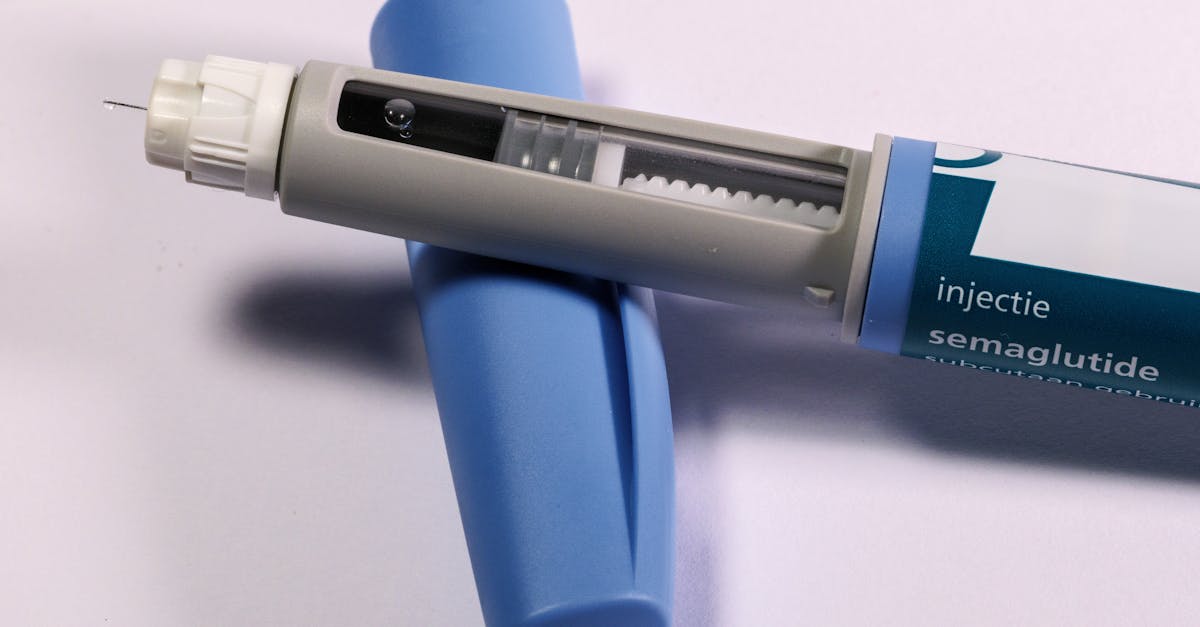
The GLP-1 drug class has reshaped pharmaceutical markets, patient expectations, and the competitive strategies of the world's largest drug companies. But a Phase 3 trial result announced on October 28, 2026 suggests the era of semaglutide dominance may have a defined expiration date. Eli Lilly's retatrutide, a drug that acts on three metabolic hormones simultaneously, beat Novo Nordisk's Ozempic in a head-to-head diabetes trial, delivering superior blood sugar control and more than double the weight loss. The numbers are not subtle, and the implications for the metabolic medicine landscape are worth examining carefully.
What the Data Actually Show
After 80 weeks of treatment, the highest dose of retatrutide, 12 milligrams administered weekly, reduced hemoglobin A1c by an average of 2.2 percentage points. Ozempic, the current standard of care for type 2 diabetes and one of the most commercially successful drugs in pharmaceutical history, reduced A1c by 1.8 percentage points. The difference was statistically significant. On weight loss, the gap was more striking: retatrutide at 12 mg produced an average 21% reduction in body weight, compared with 9% for Ozempic recipients. A 9 mg dose of retatrutide also achieved 2.2 percentage points of A1c reduction and 20% weight loss, though the A1c comparison to Ozempic at that dose was described as nominally rather than statistically significant.
These are not incremental improvements. A 21% weight reduction approaches the territory of bariatric surgery outcomes, a benchmark that has become the informal gold standard for the obesity drug field. Ozempic, for all its commercial success, produces roughly half that effect. The head-to-head design of this trial matters enormously: it is one thing to beat a placebo, and another to beat the drug that has defined the category for years.
The Triple-G Mechanism and Why It Matters
Understanding why retatrutide outperforms semaglutide requires understanding what it does differently. Ozempic acts on a single receptor, the glucagon-like peptide-1 receptor, which regulates insulin secretion, appetite, and gastric emptying. Lilly's already-marketed Zepbound and Mounjaro added a second target, the glucose-dependent insulinotropic polypeptide receptor, producing the dual-acting profile that has made tirzepatide the fastest-growing drug in the company's history. Retatrutide adds a third: the glucagon receptor.
Glucagon is a hormone that raises blood sugar and increases energy expenditure. Activating the glucagon receptor in combination with GLP-1 and GIP stimulation creates a metabolic effect that is qualitatively different from what either single or dual agonism can achieve. The glucagon component appears to drive additional fat burning and energy expenditure beyond what appetite suppression alone produces. That mechanism is the most plausible explanation for why retatrutide's weight loss numbers are so substantially higher than those of its predecessors.
Novo Nordisk is pursuing its own triple-acting candidates, but those programs remain in Phase 2 trials. The competitive gap between the two companies, already significant following Zepbound's commercial success, may widen further if retatrutide reaches the market on schedule.
The Trade-Off That Cannot Be Ignored
Greater efficacy in metabolic medicine has historically come with greater tolerability challenges, and retatrutide is no exception. In the head-to-head trial, 8% of patients on the highest retatrutide dose discontinued treatment due to side effects, compared with 3% of Ozempic recipients. The 9 mg dose had a 5% discontinuation rate. The side effects are primarily gastrointestinal, consistent with the class, but the higher discontinuation rate at the most effective dose is a real-world consideration that will shape prescribing patterns and patient selection.
This trade-off is not unique to retatrutide. It reflects a broader tension in the metabolic drug field between maximizing efficacy and maintaining tolerability. Patients who can tolerate the highest doses will likely see the most dramatic results. Those who cannot may find that a lower dose, or a different drug entirely, better suits their needs. The clinical reality of metabolic medicine is that no single drug will be optimal for every patient, and the expansion of the therapeutic toolkit, from single to dual to triple agonism, creates more options rather than a single winner.
What This Means for the Lilly-Novo Battle
The commercial implications of the retatrutide data are significant. Lilly has already filed for FDA approval of retatrutide for obesity, and the diabetes data strengthen the case for a broad metabolic indication. Leerink analyst David Risinger projects peak annual sales of $15 billion for retatrutide by 2032, above the $10 billion Wall Street consensus, and describes the results as justifying a branded premium ahead of semaglutide's patent expiration that year.
For Novo Nordisk, the data represent a continuation of a difficult competitive period. The company's next-generation obesity shot, cagrilintide plus semaglutide, failed to match Zepbound in a head-to-head study earlier this year. Its triple-acting candidates are years behind retatrutide in development. The court's recent rejection of Novo's bid to block Lilly's comparative advertising adds a legal dimension to a commercial rivalry that is becoming increasingly one-sided in Lilly's favor.
None of this means Ozempic and Wegovy are finished. Semaglutide has a massive installed base, strong cardiovascular outcome data, and a brand recognition that no competitor has yet matched. The GLP-1 market is large enough to support multiple successful products, and Novo's pipeline, while trailing, is not empty. But the retatrutide data make clear that the next chapter of metabolic medicine will be written by drugs that do more than semaglutide does, and that Lilly is currently best positioned to write it.
The Broader Question the Data Raise
The retatrutide result also invites a more fundamental question about where the metabolic drug field is heading. Each successive generation of these drugs has produced larger weight loss numbers, from roughly 5% with early GLP-1 agonists, to 15% with semaglutide, to 20% with tirzepatide, and now to 21% with retatrutide. The incremental gains are narrowing, but the absolute numbers are approaching a threshold where the distinction between pharmacological and surgical weight loss becomes clinically meaningful.
That convergence raises questions about patient selection, long-term safety, and the appropriate role of these drugs in a healthcare system that is still working out how to pay for them. A drug that produces bariatric surgery-level weight loss in a weekly injection is a genuinely different kind of intervention than the GLP-1 drugs that preceded it. The regulatory, reimbursement, and clinical infrastructure for managing that level of metabolic intervention at population scale does not yet fully exist. Building it will be one of the defining challenges of the next decade in metabolic medicine, and the retatrutide data suggest that challenge is arriving sooner than many expected.