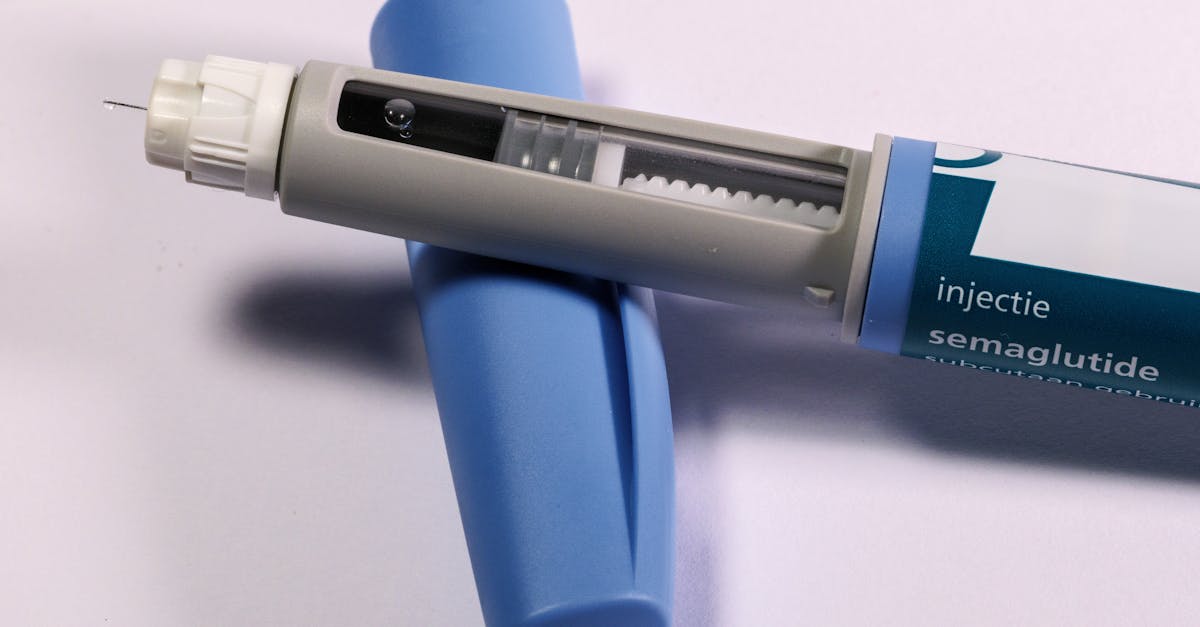
The First DNA Medicine: What Inovio's VOCERYQ Approval Means for a New Class of Therapeutics
VOCERYQ is the first FDA-approved DNA medicine in history. Inovio's breakthrough approval represents a pivotal moment for a new class of therapeutics with implications far beyond recurrent respiratory papillomatosis.


On October 30, 2026, the FDA granted accelerated approval to Inovio Pharmaceuticals' VOCERYQ, a plasmid DNA-based immunotherapy for adults with recurrent respiratory papillomatosis. The approval was notable not just for the patients it will help, but for what it represents in the longer arc of medicine: VOCERYQ is the first FDA-approved DNA medicine in history. That distinction matters, and it deserves more attention than the modest market reaction it received.
Recurrent respiratory papillomatosis is a rare disease caused by HPV-6 and HPV-11, two strains of the human papillomavirus that trigger the growth of small, wart-like papillomas in the airways and on the vocal cords. The disease is not cancer, but it behaves with a relentlessness that can feel indistinguishable from it. Papillomas grow back. Patients return to the operating room, sometimes dozens of times over the course of their lives, to have the growths surgically removed. Each procedure carries the risk of permanent damage to the voice box. The disease does not kill most patients, but it can consume them, defining their lives around a cycle of surgery, recovery, and recurrence that has no natural endpoint.
Before VOCERYQ, there was no approved treatment that addressed the underlying cause of RRP. Surgeons could remove papillomas, but they could not stop them from returning. Inovio's drug changes that by doing something no approved medicine has done before: it delivers synthetic DNA plasmids directly into the body's cells, instructing them to produce HPV-6 and HPV-11 proteins that train the immune system to recognize and attack the virus driving the disease. The result, in a meaningful fraction of patients, is that the immune system learns to suppress the infection well enough that surgery is no longer required.
What the Data Actually Show
The clinical trial supporting the approval enrolled 32 adults who had undergone at least two surgeries in the year before treatment. Seven of the 26 patients who met the efficacy criteria, roughly 27 percent, achieved a complete response defined as requiring no surgical excision of papillomas in the 12 months following treatment. That number is not overwhelming in absolute terms, but it needs to be understood in context. In the natural history of untreated RRP, spontaneous resolution of this kind does not occur. A 27 percent complete response rate in a disease where the alternative is indefinite surgery is a clinically meaningful result, and the FDA's Breakthrough Therapy designation for VOCERYQ reflects that assessment.
The drug is administered using Inovio's proprietary CELLECTRA device, a hand-held electroporation instrument that delivers brief electrical pulses to the injection site, temporarily opening cell membranes to allow the DNA plasmids to enter. The technology is central to the platform's function: without efficient intracellular delivery, the plasmids cannot reach the cellular machinery needed to produce the target proteins. VOCERYQ can be stored in standard refrigeration with a three-year shelf life, and after the first dose, patients can self-administer subsequent injections. Those practical characteristics matter for a rare disease population that has historically been underserved by the healthcare system's logistical infrastructure.
The Platform Milestone Behind the Approval
The significance of the VOCERYQ approval extends well beyond RRP. DNA medicines occupy a distinct position in the therapeutic landscape. Unlike mRNA therapies, which deliver transient instructions that degrade within days, DNA plasmids can persist in cells for longer periods, potentially enabling more durable immune responses without the need for repeated dosing. Unlike viral vector gene therapies, DNA medicines do not integrate into the genome and do not trigger the anti-vector immune responses that can limit the effectiveness of repeat administration. That combination of durability and re-dosability is theoretically valuable across a wide range of infectious and oncological indications.
Inovio has spent decades building the case for this platform, accumulating clinical experience across HPV-related diseases, cancer, and infectious disease. The company's pipeline includes INO-3112, a DNA immunotherapy targeting HPV-16 and HPV-18 for HPV-positive throat cancer, and VGX-3100, which targets cervical dysplasia. The VOCERYQ approval provides the first regulatory anchor for the platform, demonstrating that the FDA will accept DNA medicine data as the basis for approval and that the CELLECTRA delivery system is adequate for clinical use. That validation is worth more to the field than any single drug's commercial trajectory.
The Regulatory Path and What It Reveals
The road to approval was not straightforward. When the FDA accepted Inovio's application in March 2026, the agency issued a preliminary conclusion suggesting the company had not submitted adequate information to pursue the accelerated approval pathway. That signal, arriving under a regulatory environment that had been tightening its approach to rare disease applications, threatened to derail a program that had been years in development. The eventual approval, with CBER director Karim Mikhail describing VOCERYQ as "a meaningful scientific breakthrough," represents a reversal of that preliminary skepticism and a reaffirmation that the accelerated approval pathway remains available for drugs that address genuine unmet needs with credible evidence.
The confirmatory trial requirement that accompanies the accelerated approval is appropriate. Inovio has agreed to enroll at least 50 adult and pediatric patients in a study evaluating surgical intervention rates over at least three years following treatment, with a draft protocol due to the FDA before the end of 2026. The outcome of that study will determine whether the accelerated approval converts to full approval and whether the 27 percent complete response rate holds up in a larger, more diverse population.
What Comes Next
Inovio estimates that at least 25,000 people in the United States are living with RRP, a population that has been waiting for a non-surgical treatment option for the entirety of the disease's documented history. The company expects VOCERYQ to be available to order and ship within approximately 60 days, with full commercial launch in the first quarter of 2027. The key opinion leader community has been vocal in its support for transitioning to immunotherapy as early as possible after diagnosis, which suggests the commercial uptake could be faster than the modest trial size might imply.
The broader question the VOCERYQ approval raises is whether the DNA medicine platform can deliver on its potential in larger indications. RRP is a rare disease with a compelling unmet need and a biologically straightforward rationale for an HPV-targeted immune response. The harder test will come in oncology, where the immune microenvironment is more complex and the competitive landscape is more crowded. But every platform needs a first approval, and Inovio now has one. The DNA medicine era has officially begun.