The First New Antifungal Class in Two Decades Just Passed Its Biggest Test
F2G and Shionogi announce positive phase 3 data for olorofim, the first new antifungal class in over two decades, showing non-inferiority to AmBisome in treating invasive aspergillosis.

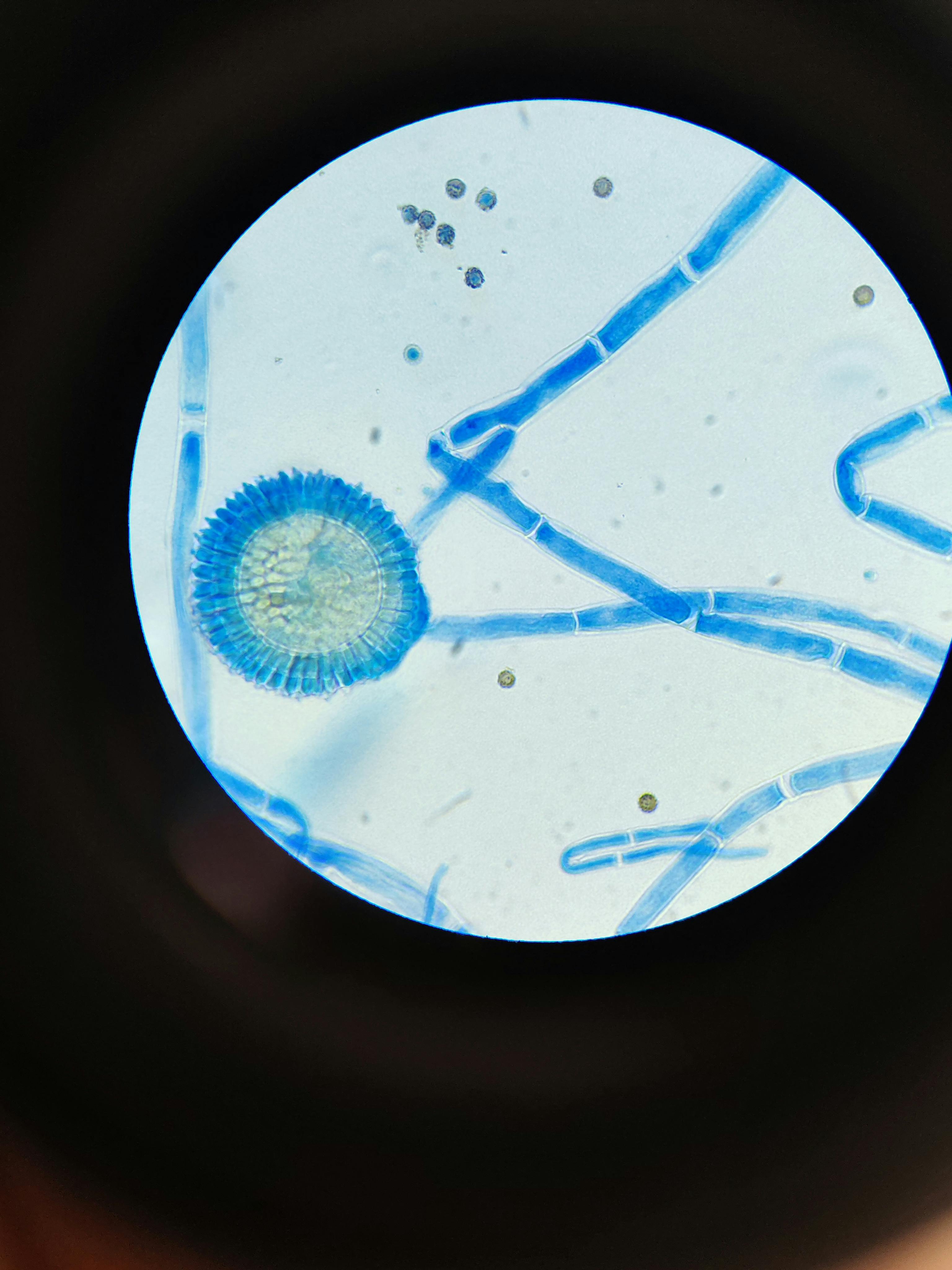
For more than two decades, clinicians treating invasive fungal infections have been working with the same basic toolkit. Azoles, polyenes, echinocandins: three classes of antifungals, each with their own limitations, and none of them new. That stagnation has become increasingly dangerous as Aspergillus fumigatus, the mold responsible for the majority of invasive aspergillosis cases, has quietly developed resistance to the most widely used of those agents. This week, that long wait for something genuinely different may finally be coming to an end.
On June 18, F2G and its partner Shionogi released topline phase 3 data from the OASIS trial, a global study evaluating olorofim against AmBisome in patients with invasive aspergillosis who were either refractory to standard azole therapy or unsuitable for it. The headline result: olorofim demonstrated non-inferiority to AmBisome on all-cause mortality at day 42, with a rate of 23.8% versus 24.3% for the IV comparator. In a disease where mortality routinely exceeds 30% and can climb far higher in immunocompromised patients, those numbers represent a meaningful clinical signal.
A New Mechanism After 20 Years
What makes olorofim genuinely different is not just its efficacy profile but its mechanism of action. While every existing antifungal class targets either the fungal cell membrane or cell wall, olorofim belongs to a new class called the orotomides, which inhibit dihydroorotate dehydrogenase, an enzyme critical to pyrimidine synthesis. Disrupt pyrimidine production and you disrupt fungal growth at a fundamental level. Crucially, this pathway is entirely distinct from the one targeted by azoles, meaning azole-resistant strains of aspergillus remain fully susceptible to olorofim.
That distinction matters enormously in the real world. Azole resistance in A. fumigatus has been spreading globally for years, driven in part by the widespread agricultural use of azole fungicides, which has allowed resistance mutations to develop in the environment before patients are ever exposed. In some European countries, resistance rates in clinical isolates have reached alarming levels. Clinicians treating patients with hematologic malignancies or solid organ transplants, populations already at high risk for invasive aspergillosis, have increasingly found themselves without reliable options when azoles fail.
The Oral Advantage
Beyond the mechanism, olorofim offers a practical advantage that should not be underestimated: it is an oral medication. AmBisome, the IV comparator in the OASIS trial, requires slow intravenous infusion and carries a significant adverse event burden. In the trial, drug-related treatment-emergent adverse events occurred in 35.8% of olorofim patients compared with 63.9% of those receiving AmBisome. That gap reflects not just tolerability but the real-world implications of long-term antifungal therapy in patients who are already managing intensive treatment regimens for underlying conditions like leukemia or lymphoma.
The ability to treat invasive aspergillosis orally opens up possibilities that IV-only therapy simply cannot. Step-down therapy from hospital to outpatient settings becomes more feasible. Adherence over extended treatment courses becomes more manageable. For patients who have already endured months of chemotherapy or immunosuppression, the difference between a daily pill and a hospital infusion is not trivial.
A Winding Road to This Moment
The path to these phase 3 results has not been straightforward. Olorofim received FDA Breakthrough Therapy Designation back in 2019, a recognition of its potential in a space with unmet need. But in 2023, the FDA issued a complete response letter following F2G's initial NDA submission, requesting additional data from the phase 2b study. That setback forced a reset, but F2G responded by raising $100 million in 2024 to fund the completion of the OASIS trial and prepare for commercialization. Shionogi, which had committed $100 million upfront in 2022 for Asian and European rights, remained a committed partner throughout.
The positive phase 3 readout now positions both companies for regulatory submissions: F2G in the US and Shionogi in Europe and Asia. Full data will be presented at a future medical conference before those filings proceed.
What This Means for the Antifungal Landscape
The broader significance of olorofim extends beyond any single company's pipeline. Antifungal drug development has historically attracted far less investment than antibacterial research, despite fungal infections killing an estimated 1.5 million people annually worldwide. The WHO added invasive aspergillosis to its fungal priority pathogens list in 2022, a formal acknowledgment that the field needed urgent attention. Olorofim's phase 3 success, if it translates into regulatory approval, would represent the first genuinely new antifungal mechanism to reach patients in over two decades.
For the immunocompromised patients who bear the greatest burden of invasive aspergillosis, that is not an incremental advance. It is a structural shift in what treatment can look like. The pill, as F2G's chief medical officer put it, opens doors. After twenty years of waiting, those doors may finally be opening.