Mining the Fungal Kingdom: How LifeMine's $263M Bet Could Solve Transplant Medicine's Oldest Problem
LifeMine Therapeutics raised $263 million to develop LIFE-001, a next-generation calcineurin inhibitor designed to prevent organ rejection without the kidney damage caused by current immunosuppressants.

Every year, roughly 45,000 Americans receive an organ transplant. For most of them, the surgery is the beginning of a lifelong pharmaceutical dependency that carries its own serious risks. Tacrolimus, the calcineurin inhibitor that has been the backbone of transplant immunosuppression since the 1990s, is extraordinarily effective at preventing organ rejection. It is also, over time, extraordinarily damaging to the kidneys. The drug that saves the transplanted organ can quietly destroy the one the patient was born with.
That paradox has persisted for three decades, largely because no one has found a way to separate calcineurin inhibition from its toxicity. On August 6, 2026, a Massachusetts biotech called LifeMine Therapeutics announced it had raised $263 million to prove that separation is possible, and that the answer may have been sitting in the fungal kingdom all along.
A Platform Born from 100,000 Fungi
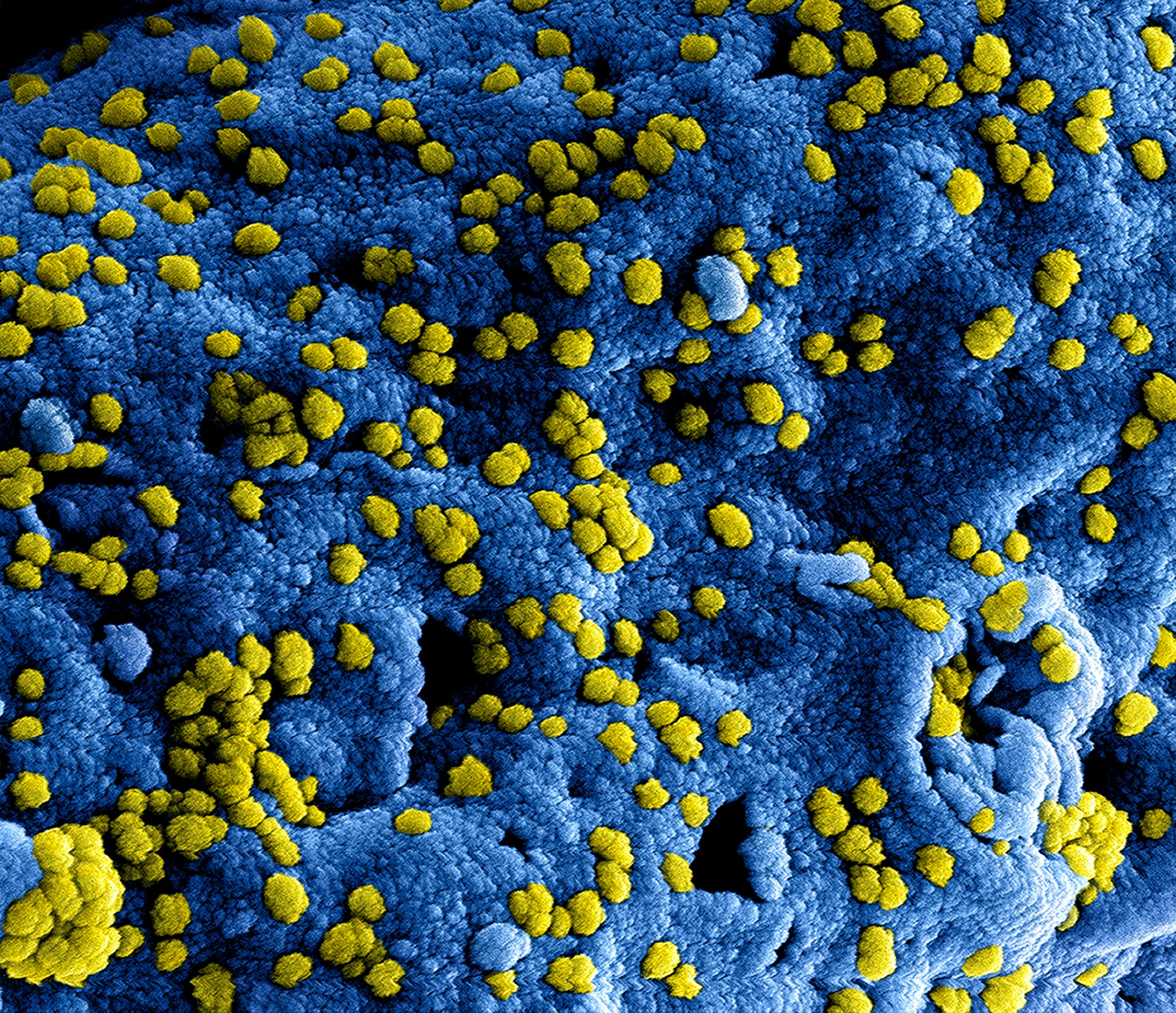
LifeMine's approach to drug discovery is unusual enough to warrant explanation. The company has sequenced genes from 100,000 fungal strains and organized them into clusters based on their biosynthetic pathways. The result is a library of roughly 1,200 potential drug targets, a catalog of molecular machinery that evolution has been refining for hundreds of millions of years. Within the next month, the company plans to deploy AI agents to systematically mine that library for therapeutic candidates. CEO Gregory Verdine, a veteran biotech founder who helped build Warp Drive Bio and Wave Life Sciences, describes the opportunity as an embarrassment of riches.
The lead asset from this platform is LIFE-001, a calcineurin activation inhibitor that works through a mechanism no approved drug currently uses. Rather than blocking calcineurin after it has been activated, as tacrolimus and cyclosporin do, LIFE-001 inhibits the enzyme before activation occurs. That upstream intervention, Verdine argues, is what allows the drug to preserve the immunosuppressive efficacy that transplant patients need while stripping away the multiorgan toxicity that has defined the class for a generation.
The Phase 1 data, drawn from more than 120 healthy volunteers at therapeutic doses, support that claim so far. No clinically meaningful renal, metabolic, or cardiovascular safety signals have been observed. Andrew Cameron, surgeon-in-chief at Johns Hopkins Hospital, called a next-generation calcineurin inhibitor capable of maintaining efficacy while significantly reducing multiorgan toxicity one of the most meaningful potential advances in transplantation in decades. That is not a modest endorsement from a modest institution.
The Investors Who Came Calling
The $263 million raise combines a $75 million Series D, disclosed for the first time alongside the announcement, and an oversubscribed $188 million Series E led by Milky Way Investments. The Series E brought in Bezos Expeditions and Gates Frontier as new investors, alongside RA Capital Management and existing backers including GSK and ARCH Venture Partners. Verdine recounted that both Jeff Bezos and Bill Gates, after individual one-hour pitches, pushed the company to raise more than it had originally planned. The round ended up three to four times larger than LifeMine had envisioned.
That level of conviction from investors who operate at the intersection of technology and global health is worth noting. Gates Frontier has a long track record of backing infectious disease and global health platforms. Bezos Expeditions has shown increasing interest in longevity and biology. Their participation in a transplant immunosuppression program signals something about where sophisticated capital sees durable value in biomedical innovation: not in the next incremental checkpoint inhibitor or GLP-1 variant, but in solving problems that have been structurally unsolved for decades.
The Clinical Road Ahead
LifeMine plans to launch two trials in early 2027. The first is a Phase 1b study in 12 patients undergoing islet cell transplantation, a population where the toxicity of current immunosuppressants is particularly consequential because the patients are often younger and the treatment duration is indefinite. The second is a 150-patient Phase 2 study in kidney transplantation, comparing LIFE-001 directly to tacrolimus. Data readouts from both are penciled in for 2027.
The kidney transplant comparison is the one that will define the drug's commercial trajectory. Tacrolimus is the standard of care against which every transplant immunosuppressant is measured, and a head-to-head trial that demonstrates equivalent rejection prevention with meaningfully less nephrotoxicity would be a genuinely disruptive result. The transplant market is concentrated, with most US procedures performed at roughly 70 centers, which makes commercialization feasible even for a company that has not yet gone public.
Beyond Transplantation
Calcineurin plays a central role in T-cell activation across a wide range of immune-mediated diseases, not just transplant rejection. LifeMine has signaled plans to eventually test LIFE-001 in autoimmune disease, with intractable ulcerative colitis as the most likely near-term target. The company also has a suite of additional calcineurin-targeting compounds waiting in the wings for development or out-licensing, and the broader fungal genomics platform represents a discovery engine that could generate candidates across multiple therapeutic areas.
The commercial opportunity in transplantation alone is substantial. Verdine has estimated peak sales potential of $25 to $30 billion for LIFE-001, a figure he describes as conservative given the global transplant population and the near-universal use of calcineurin inhibitors in post-transplant care. Whether that estimate holds will depend on Phase 2 and Phase 3 outcomes that are still years away. But the scientific premise is sound, the early safety data are encouraging, and the investors backing the program are not known for chasing speculative narratives.
Transplant medicine has been waiting for a safer calcineurin inhibitor for thirty years. LifeMine is not the first company to try. It may, however, be the first to look for the answer in the right place.