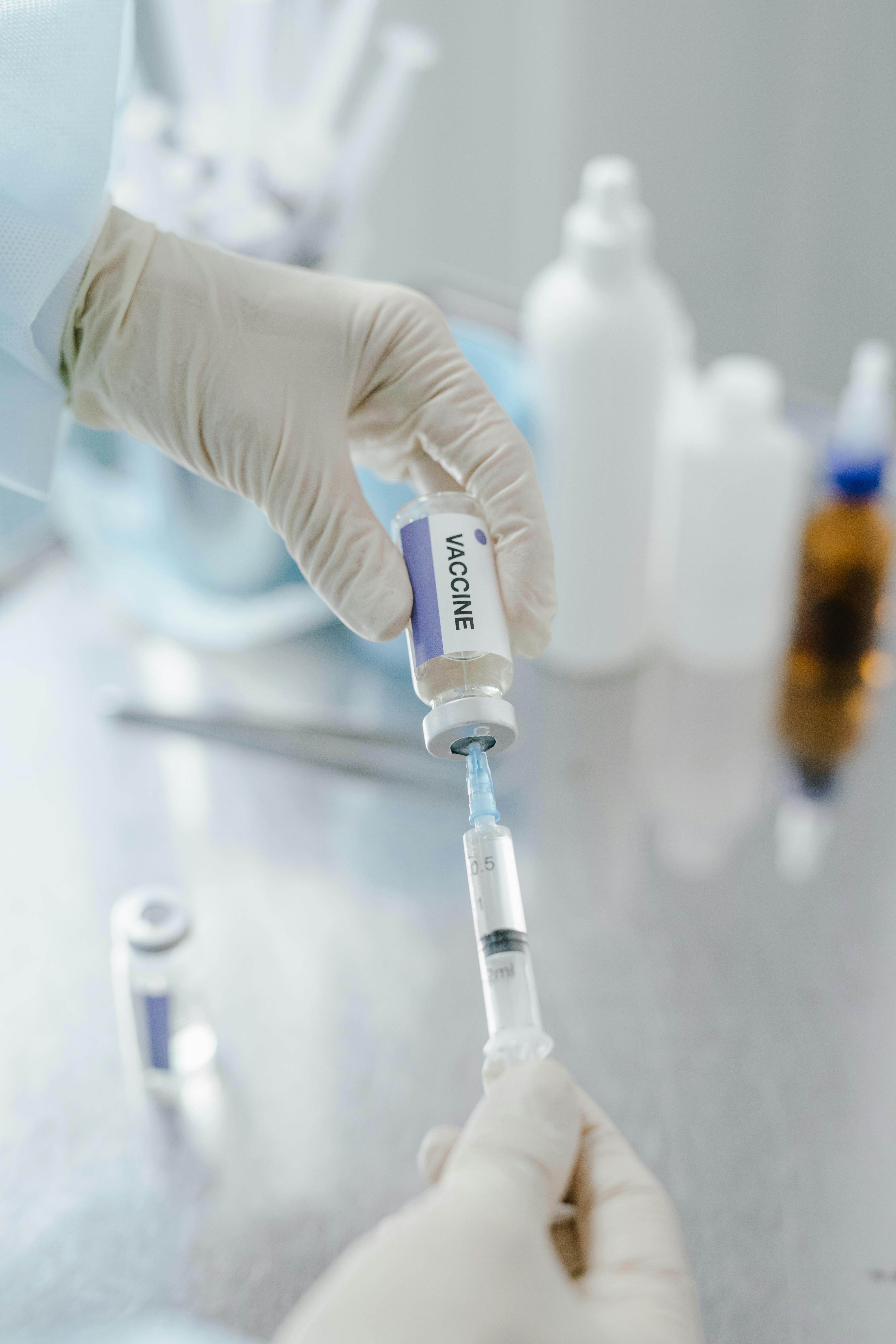
Historic FDA Approval: Zycubo Becomes First Treatment for Menkes Disease, Delivering 10-Fold Survival Improvement
Sentynl Therapeutics receives FDA approval for Zycubo, the first and only treatment for Menkes disease, offering a 10-fold improvement in survival for children with this devastating rare genetic disorder.


In a landmark achievement that transforms the treatment landscape for one of medicine's most devastating rare genetic disorders, the FDA approved Zycubo (copper histidinate) on January 13, 2026, as the first and only treatment for Menkes disease in the United States. The approval represents a remarkable turnaround for Sentynl Therapeutics and Cyprium Therapeutics, coming just four months after the FDA initially rejected the application due to manufacturing compliance issues.
The swift regulatory reversal underscores both the urgent medical need and the compelling clinical evidence supporting Zycubo's transformative potential. For families affected by Menkes disease, this approval offers hope where none previously existed, potentially extending survival from months to years for children born with this rare X-linked genetic condition.
A Disease That Steals Childhood
Menkes disease affects approximately one in every 100,000 to 250,000 live births, predominantly impacting boys due to its X-linked inheritance pattern. The condition stems from mutations that impair a child's ability to absorb and transport copper throughout the body, particularly to the brain where this essential mineral plays crucial roles in neurological development and function.
The clinical manifestations are devastating and progressive. Children develop symptoms in infancy, including seizures, developmental delays, intellectual disability, and failure to thrive. The disease also affects multiple organ systems, causing problems with the bladder, bowel, bones, muscles, and both nervous and vascular systems. Without treatment, most children do not survive beyond three years of age.
The underlying pathophysiology involves defective copper transport proteins that prevent adequate copper delivery to tissues that depend on this mineral for proper enzyme function. This creates a cascade of metabolic dysfunction that particularly impacts rapidly developing neural tissue, leading to the progressive neurodegeneration that characterizes the disease.
Unprecedented Survival Benefits
The FDA's approval was supported by compelling data from two single-arm clinical trials involving 66 patients treated for up to three years. The results demonstrate what can only be described as a dramatic transformation in disease outcomes. Median overall survival reached 177.1 months for patients receiving Zycubo compared to just 17.6 months for untreated patients from external control groups.
This represents more than a 10-fold improvement in survival, a magnitude of benefit rarely seen in rare disease therapeutics. The comparison methodology, while unconventional, was necessary given the ethical impossibility of conducting placebo-controlled trials in children with a uniformly fatal condition.
"The company demonstrated a large improvement in overall survival compared with untreated patients, using an innovative trial design that addressed the challenges of studying an ultra-rare disease," noted Dr. Tracy Beth Hoeg, acting director of the FDA's Center for Drug Evaluation and Research.
Mechanism and Manufacturing Challenges
Zycubo works through a straightforward but critical mechanism: copper replacement therapy. The injected treatment restores copper homeostasis and maintains essential mineral levels in patients whose genetic defects prevent normal copper absorption and transport. By providing bioavailable copper directly, the therapy bypasses the defective transport mechanisms that cause the disease.
The path to approval, however, was not without obstacles. The FDA initially issued a complete response letter on September 30, 2025, citing manufacturing compliance issues that needed resolution. Sentynl's ability to address these concerns rapidly and resubmit a successful application within months demonstrates both the company's commitment and the regulatory agency's recognition of the treatment's importance.
The resubmission was accepted as a Class I response, leading to the January 14, 2026 decision date that ultimately delivered approval one day ahead of schedule.
Rare Disease Development Model
The Zycubo approval story illustrates the complex ecosystem that has evolved around rare disease drug development. Cyprium Therapeutics originally developed the treatment before transferring it to Sentynl Therapeutics in a $20 million deal in 2021. The partnership was later expanded, with Sentynl taking full responsibility for development and commercialization.
Both companies operate as subsidiaries within larger pharmaceutical networks. Cyprium answers to Florida-based Fortress Biotech, which specializes in acquiring and developing de-risked clinical assets, while Sentynl is owned by India-based Zydus Lifesciences. This structure reflects the collaborative approach often necessary to advance treatments for ultra-rare conditions where traditional pharmaceutical economics may not apply.
The approval comes with significant additional benefits. The FDA granted a rare pediatric disease priority review voucher, which will be transferred to Cyprium and can be sold or used to expedite review of future drug applications. These vouchers have historically commanded prices of $100-150 million, providing substantial value beyond the direct therapeutic revenue.
Safety Considerations and Clinical Management
While Zycubo represents a breakthrough, its use requires careful clinical management. Reported side effects include infections, respiratory problems, seizures, vomiting, fever, anemia, and injection site reactions. More significantly, because copper can accumulate in the body over time, patients receiving Zycubo require close monitoring for potential copper toxicity.
This monitoring requirement reflects the delicate balance inherent in copper replacement therapy. While copper deficiency causes the devastating symptoms of Menkes disease, excess copper can lead to its own set of complications, including liver damage and neurological problems. Successful treatment requires finding the therapeutic window that provides adequate copper for normal physiological function without causing toxicity.
Broader Implications for Rare Disease Development
The Zycubo approval demonstrates several important principles for rare disease drug development. First, it validates the use of external control groups and innovative trial designs when traditional randomized controlled trials are not feasible or ethical. Second, it shows that manufacturing issues, while serious, need not be insurmountable barriers when the medical need is urgent and the clinical benefit is clear.
Perhaps most importantly, the approval reinforces the value of persistence in rare disease development. The initial regulatory setback could have derailed the program, but the companies' rapid response and the FDA's willingness to work collaboratively toward a solution ultimately delivered a life-changing treatment to patients who had no other options.
For the broader rare disease community, Zycubo's success provides both hope and a roadmap. It demonstrates that even ultra-rare conditions affecting small patient populations can attract sufficient investment and regulatory attention to deliver meaningful therapeutic advances. As Fortress Biotech CEO Dr. Lindsay Rosenwald noted, "We believe that our business model has demonstrated measurable success and continued execution across the portfolio."
With Zycubo now approved, families facing a Menkes disease diagnosis will have access to the first treatment that can meaningfully alter the trajectory of this devastating condition. While challenges remain in terms of access, cost, and long-term management, the approval represents a fundamental shift from palliative care to active treatment, offering hope where none previously existed.