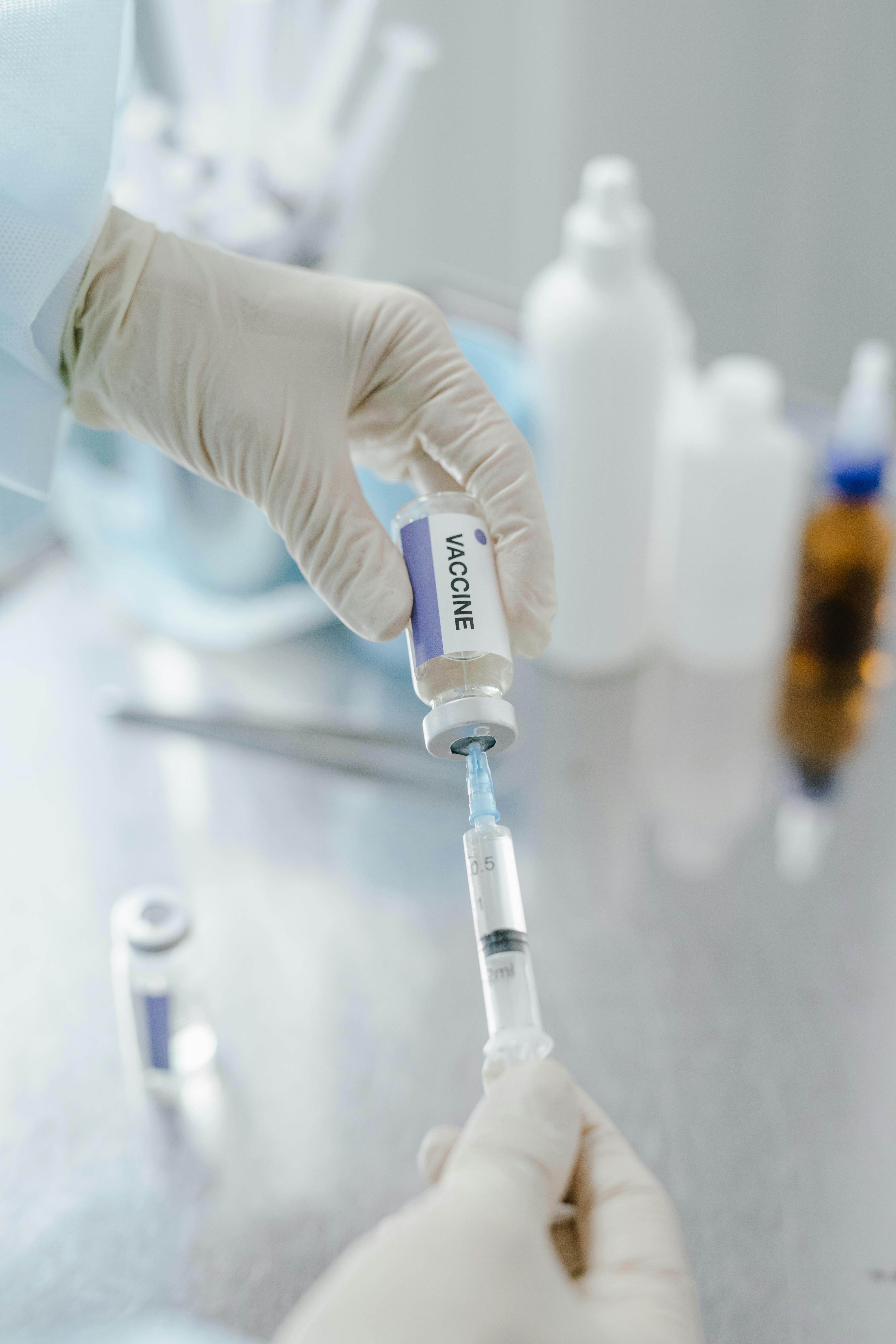
T-MAXIMUM's Allogeneic CAR-T Breakthrough: FDA Clears Path for Glioblastoma Treatment Revolution
T-MAXIMUM Pharmaceutical's MT027 receives FDA IND clearance for Phase II trials, marking a potential breakthrough in allogeneic CAR-T therapy for solid tumors and glioblastoma treatment.


T-MAXIMUM Pharmaceutical achieved a significant milestone in cancer immunotherapy on December 21, 2025, when the FDA granted IND clearance for MT027, an allogeneic B7-H3-targeted CAR-T therapy designed to treat recurrent glioblastoma. This regulatory approval represents more than just another clinical trial authorization; it marks a potential turning point in the notoriously challenging field of solid tumor CAR-T therapy.
The significance of this development cannot be overstated. While CAR-T therapies have revolutionized treatment for blood cancers, their application to solid tumors has remained largely elusive. Glioblastoma, often called the "Mount Everest" of neurosurgery, presents unique challenges that have stymied even the most advanced therapeutic approaches. The FDA's decision to clear MT027 for Phase II trials signals growing confidence in allogeneic CAR-T technology's potential to overcome these barriers.
Breaking Through the Solid Tumor Barrier
MT027's approach addresses several fundamental challenges that have limited CAR-T success in solid tumors. Unlike autologous CAR-T therapies that require harvesting and modifying a patient's own T cells, MT027 is an "off-the-shelf" allogeneic product sourced from healthy donors. This manufacturing approach enables rapid treatment initiation, a critical advantage for patients facing aggressive cancers where time is measured in weeks, not months.
The therapy targets B7-H3, a protein highly expressed on glioblastoma cells but with limited presence on normal tissues. This selective targeting strategy aims to maximize anti-tumor efficacy while minimizing damage to healthy brain tissue. The choice of B7-H3 as a target reflects sophisticated understanding of glioblastoma biology and represents a departure from earlier, less selective approaches.
Perhaps most importantly, T-MAXIMUM has developed a fully non-viral gene-editing platform for MT027 production. This technological advancement addresses safety concerns associated with viral vectors while improving manufacturing precision and controllability. The transition away from lentiviral or retroviral systems represents a significant evolution in cell therapy engineering that could influence the entire field.
Confronting Glioblastoma's Unique Challenges
Glioblastoma presents a perfect storm of therapeutic challenges that have defeated countless treatment attempts. The blood-brain barrier restricts drug penetration, intratumoral heterogeneity creates treatment-resistant cell populations, and the immunosuppressive microenvironment actively works against therapeutic interventions. Despite decades of research and the standard Stupp regimen, median survival remains stubbornly fixed at 14-16 months, with five-year survival rates below 5%.
For patients with recurrent glioblastoma, the situation becomes even more dire. Treatment options are severely limited, and median survival typically drops to 6-9 months. This represents one of oncology's most profound unmet medical needs, where incremental improvements can translate to meaningful extensions of life for patients facing an otherwise terminal diagnosis.
T-MAXIMUM's strategic focus on this challenging indication reflects both scientific ambition and market pragmatism. While many companies pursue competitive hematologic indications, T-MAXIMUM has deliberately chosen to tackle one of cancer's most formidable challenges. This approach, while riskier, positions the company to capture significant value if successful.
Allogeneic Advantages and Manufacturing Innovation
The allogeneic approach offers several advantages beyond speed of treatment initiation. Large-scale manufacturing and cryopreservation enable consistent product quality and global distribution, addressing logistical challenges that have limited autologous CAR-T accessibility. For glioblastoma patients, who often experience rapid disease progression, the ability to initiate treatment within days rather than weeks could prove clinically decisive.
T-MAXIMUM's non-viral gene-editing platform represents a significant technological advancement that could influence the broader cell therapy field. Traditional viral vector systems, while effective, carry theoretical risks of insertional mutagenesis and immunogenicity. The company's non-viral approach potentially eliminates these concerns while providing greater manufacturing control and reproducibility.
The platform's versatility extends beyond glioblastoma. T-MAXIMUM is concurrently developing programs targeting brain metastases and other solid tumors, suggesting a comprehensive approach to addressing solid tumor challenges across multiple indications.
Industry Implications and Future Outlook
MT027's FDA clearance could catalyze broader industry investment in solid tumor CAR-T development. The regulatory milestone validates the feasibility of allogeneic approaches for challenging solid tumor indications, potentially encouraging other companies to pursue similar strategies. Success in glioblastoma could establish proof-of-concept for solid tumor CAR-T therapy more broadly.
The upcoming Phase II trial will provide crucial insights into MT027's clinical potential. Unlike earlier-stage studies focused primarily on safety, Phase II trials will evaluate efficacy in a patient population with limited alternative options. The trial design and endpoints will be closely watched by the broader oncology community as indicators of solid tumor CAR-T viability.
For T-MAXIMUM, the FDA clearance represents validation of its strategic focus and technological platform. The company aims to advance at least one product toward marketing approval within three years while progressing multiple programs into Phase II development. Success with MT027 could establish T-MAXIMUM as a leader in the emerging solid tumor CAR-T space.
As the biotech industry continues seeking breakthrough approaches to intractable cancers, T-MAXIMUM's MT027 represents a compelling test case for whether advanced cell therapy technologies can finally crack the solid tumor code. For glioblastoma patients and their families, this regulatory milestone offers something that has been in short supply: genuine hope for meaningful therapeutic progress.