Sobi's $1.5 Billion Arthrosi Acquisition Signals Major Consolidation in Gout Treatment Market
Swedish Orphan Biovitrum (Sobi) acquires Arthrosi Therapeutics for up to $1.5 billion, positioning itself as a major player in next-generation gout treatment with pozdeutinurad.
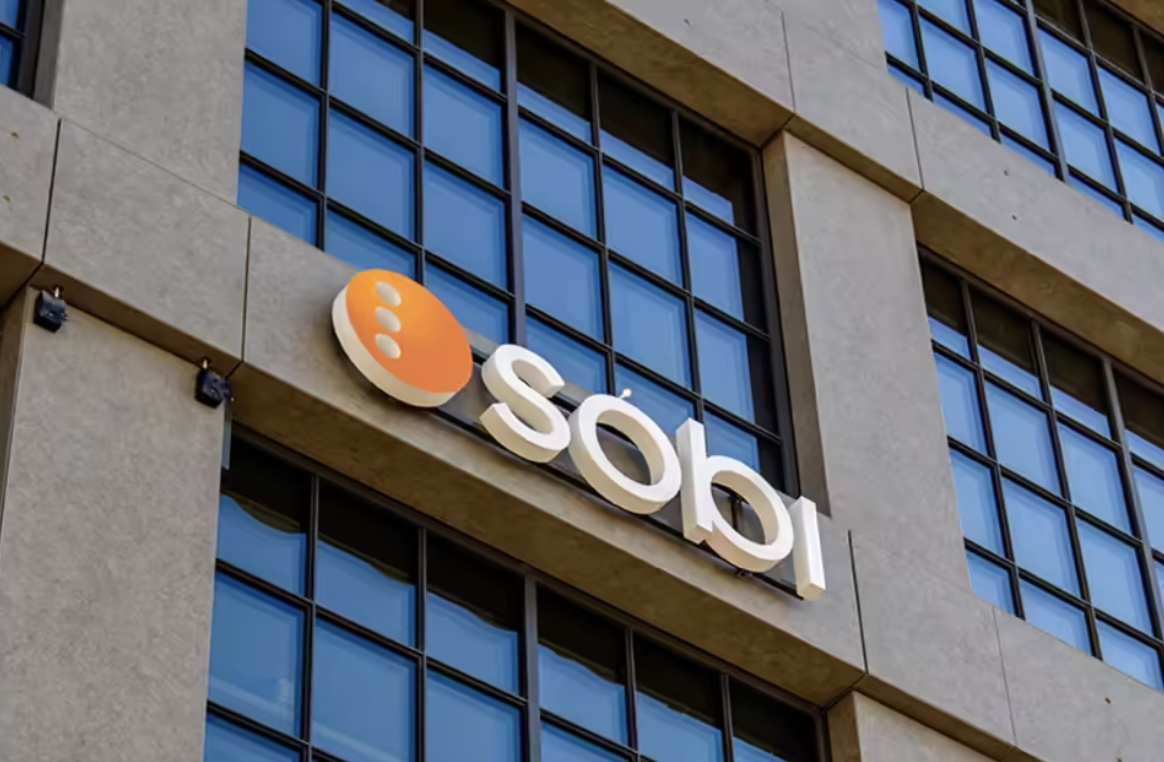
Swedish Orphan Biovitrum (Sobi) has announced one of the year's most significant biotech acquisitions, agreeing to purchase Arthrosi Therapeutics for up to $1.5 billion in a deal that positions the Swedish pharmaceutical company as a major player in the evolving gout treatment landscape. The transaction, announced December 13, 2025, represents a strategic bet on next-generation therapies for a condition affecting millions worldwide.
The acquisition centers on pozdeutinurad (AR882), Arthrosi's investigational URAT1 inhibitor currently advancing through two fully enrolled Phase 3 clinical trials. With pivotal data expected in 2026, the drug represents a potentially transformative approach to treating progressive and tophaceous gout, conditions that have historically challenged both patients and physicians.
Strategic Rationale and Market Opportunity
Sobi's $950 million upfront payment, with an additional $550 million in performance-based milestones, reflects confidence in pozdeutinurad's commercial potential and the broader gout treatment market. The deal structure demonstrates sophisticated risk management while providing Arthrosi shareholders with substantial immediate value and continued upside participation.
"The acquisition of Arthrosi allows us to expand our gout pipeline with a highly differentiated new asset," stated Guido Oelkers, Sobi's President and CEO. "Pozdeutinurad has the potential to become the therapy of choice for patients who have progressive gout with persistent and unresolved symptoms despite first-line therapy."
The strategic logic extends beyond product acquisition to market positioning. Gout affects over 8 million Americans and represents a growing global health challenge as populations age and metabolic syndrome prevalence increases. Current treatment options, while effective for many patients, leave significant unmet medical needs, particularly for those with progressive disease and tophaceous presentations.
Scientific Innovation and Clinical Promise
Pozdeutinurad represents a next-generation approach to uric acid management through selective URAT1 inhibition. The drug's mechanism targets the primary transporter responsible for uric acid reabsorption in the kidneys, potentially offering superior efficacy compared to existing therapies while maintaining a favorable safety profile.
Phase 2 clinical data demonstrated compelling efficacy with sustained reduction of serum uric acid levels, dissolution of tophi, and well-tolerated safety characteristics. The drug's once-daily oral dosing provides practical advantages for patient compliance, a critical factor in chronic disease management.
The ongoing REDUCE 1 and REDUCE 2 Phase 3 studies represent pivotal trials designed to assess pozdeutinurad's ability to reduce serum uric acid in patients with progressive and tophaceous gout. Both twelve-month, randomized, double-blind, placebo-controlled studies are fully enrolled, with results anticipated in 2026.
Industry Consolidation and Investment Dynamics
The Arthrosi acquisition reflects broader trends in pharmaceutical industry consolidation, where established companies acquire innovative assets to strengthen pipeline depth and commercial positioning. For Sobi, the deal represents a significant expansion beyond its traditional rare disease focus into specialty care markets with larger patient populations.
The transaction also highlights the evolving biotech investment landscape. Arthrosi's development was supported by Viva Biotech Holdings, which expects to realize approximately $40 million in gains from the acquisition. This outcome validates the equity-for-service model increasingly used by biotech incubators and contract research organizations.
Viva Biotech's involvement extends beyond financial investment to operational support, including manufacturing partnerships through its CDMO subsidiary Langhua Pharmaceutical. This integrated approach to biotech development and commercialization represents an emerging model for industry collaboration.
Regulatory and Commercial Pathway
The acquisition timeline anticipates closing in the first half of 2026, subject to customary regulatory approvals and closing conditions. Sobi plans to fund the upfront payment through existing credit facilities and new debt arrangements with Handelsbanken and Danske Bank, demonstrating confidence in the asset's revenue potential.
The regulatory pathway for pozdeutinurad appears well-defined, with Phase 3 data expected to support potential marketing applications in major global markets. The drug's development in progressive and tophaceous gout addresses clear unmet medical needs, potentially facilitating regulatory review and approval processes.
Commercial success will depend on demonstrating clear advantages over existing therapies, including allopurinol and febuxostat, the current standard-of-care treatments. Pozdeutinurad's differentiated mechanism and clinical profile suggest potential for premium pricing and market share capture among patients inadequately controlled on first-line therapies.
Broader Market Implications
The Sobi-Arthrosi transaction signals growing pharmaceutical industry interest in metabolic and inflammatory diseases, areas where aging populations and lifestyle factors drive increasing prevalence. The deal's scale and structure may encourage similar acquisitions as companies seek to diversify beyond traditional therapeutic areas.
For patients with gout, the acquisition represents hope for improved treatment options. Progressive gout, characterized by frequent flares and tophaceous deposits, significantly impacts quality of life and can lead to joint damage and disability. New therapeutic approaches addressing these challenging presentations could transform disease management.
The transaction also demonstrates the continued viability of biotech innovation and the value creation potential for companies developing differentiated therapies. Arthrosi's journey from startup to $1.5 billion acquisition provides a compelling case study for biotech entrepreneurs and investors.
Looking Forward
As the acquisition moves toward completion, attention will focus on Phase 3 trial results and Sobi's integration planning. The company's established commercial infrastructure and rare disease expertise provide a strong foundation for pozdeutinurad's potential launch, though success in the competitive gout market will require effective differentiation and market access strategies.
The deal's ultimate success will be measured not only in financial returns but in clinical outcomes for patients struggling with inadequately controlled gout. If pozdeutinurad delivers on its clinical promise, the Arthrosi acquisition could establish Sobi as a leader in next-generation gout treatment while providing meaningful therapeutic advances for millions of patients worldwide.
For the broader biotech industry, the transaction reinforces the continued value of innovative drug development and the potential for substantial returns when addressing significant unmet medical needs. As pharmaceutical companies increasingly seek growth through strategic acquisitions, deals like Sobi-Arthrosi may become the template for future industry consolidation.