Samsung Biologics' $1.8B PolyPeptide Bet Is Really About the GLP-1 Supply Chain
Samsung Biologics' $1.81 billion bid for Swiss peptide manufacturer PolyPeptide Group is not just an M&A story. It is a strategic play for control of the GLP-1 drug supply chain, and a signal of where the CDMO industry is heading.

When Samsung Biologics announced a $1.81 billion all-cash bid for Swiss contract drugmaker PolyPeptide Group on Monday, the headline read like a straightforward M&A story. A South Korean biologics giant acquires a European peptide manufacturer. Shareholders get a modest 6.1% premium. The board unanimously recommends. Deal closes by year-end.
But the real story here is not about Samsung Biologics buying a company. It is about who controls the pipes that carry the next generation of blockbuster drugs to patients, and why that infrastructure is suddenly worth billions.
The GLP-1 Bottleneck Nobody Talks About
PolyPeptide Group is not a household name in pharma circles, but it sits at a critical chokepoint in the global drug supply chain. The Swiss company is one of the world's leading contract manufacturers of peptide-based active pharmaceutical ingredients, the molecular building blocks used in a wide range of therapies, including the GLP-1 receptor agonists that have reshaped the pharmaceutical industry over the past three years.
Drugs like semaglutide and tirzepatide are peptides. So are the next wave of obesity and diabetes treatments racing through clinical pipelines at Roche, AstraZeneca, Pfizer, and dozens of smaller biotechs. The demand for peptide synthesis capacity has exploded, and the number of companies capable of producing these molecules at commercial scale remains limited. PolyPeptide is one of them.
Samsung Biologics was explicit about this in its deal announcement. The acquisition, it said, would expand its capabilities in peptide-based therapeutics, "including fast-growing obesity and diabetes treatments such as GLP-1 drugs." That is not boilerplate language. It is a strategic declaration that Samsung intends to position itself as a foundational supplier to the GLP-1 era, not just a participant in it.
Why This Deal Makes Strategic Sense Now
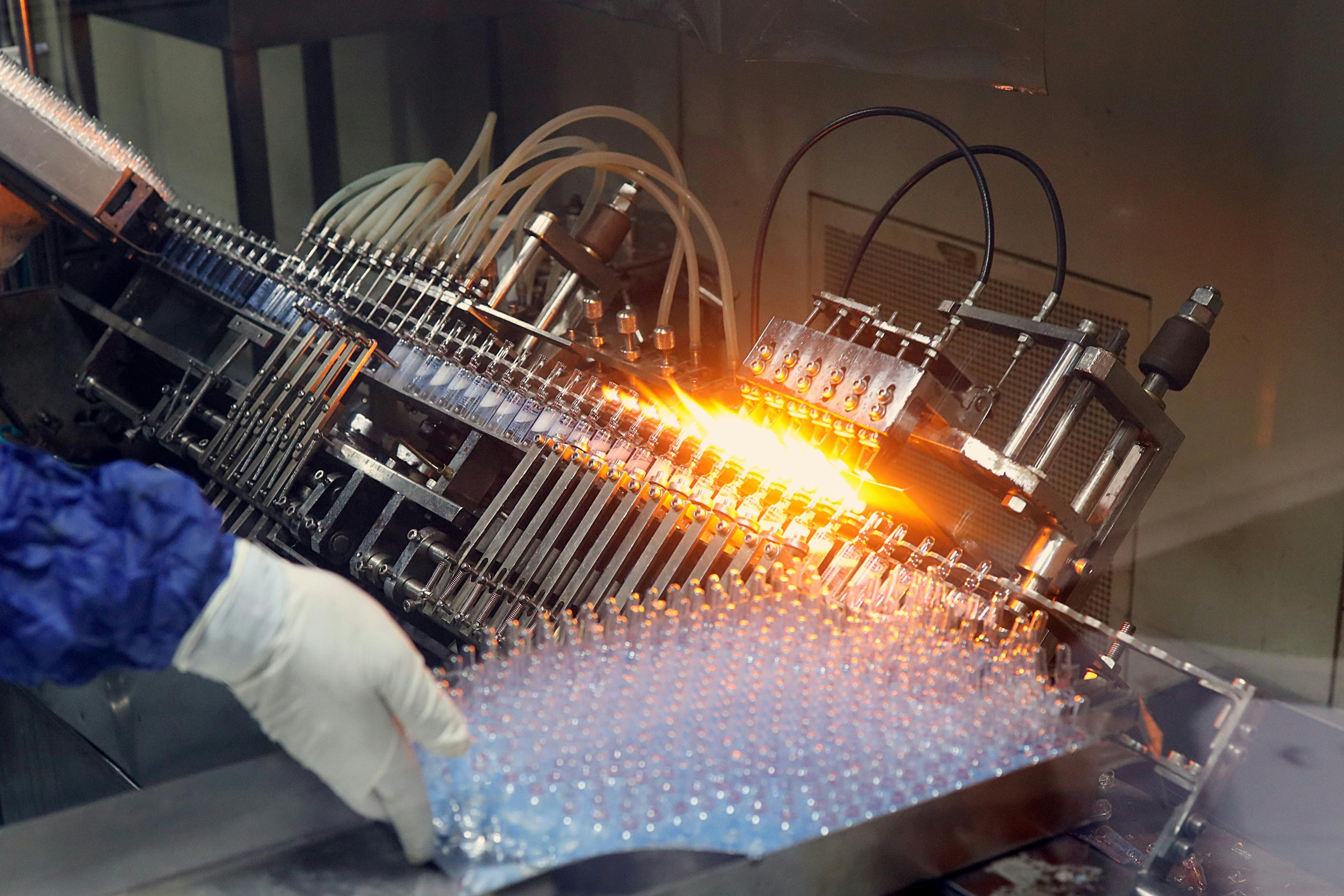
Samsung Biologics has built one of the world's largest biologics contract manufacturing footprints in Incheon, South Korea, with capacity that rivals the biggest names in the CDMO space. But biologics and peptides are manufactured through fundamentally different processes. Biologics are produced in living cells; peptides are synthesized chemically. Acquiring PolyPeptide gives Samsung a complementary capability it cannot easily build from scratch, at least not quickly enough to capture the current wave of demand.
The timing matters. Novo Nordisk and Eli Lilly have been scrambling to secure manufacturing capacity for their obesity drugs for years, and the broader industry has watched that scramble with envy and anxiety. Every biotech developing a GLP-1 or GLP-1 adjacent molecule needs a manufacturing partner. The CDMOs that can credibly serve that need are few, and their leverage is growing.
By acquiring PolyPeptide, Samsung is not just buying revenue. It is buying a seat at the table for every future peptide drug deal that gets negotiated. That is a durable competitive advantage in a market that is only going to get more crowded.
The Broader Consolidation Signal
This deal is also a signal about where the CDMO industry is heading. Contract manufacturing has historically been a fragmented, margin-thin business. But the GLP-1 boom, combined with the broader trend toward outsourcing drug production, has changed the economics. Scale matters more than ever, and the companies that can offer end-to-end manufacturing services across multiple modalities, biologics, peptides, small molecules, are increasingly attractive to large pharma clients who want fewer, deeper partnerships.
Samsung Biologics is not the only player thinking this way. The past two years have seen a wave of CDMO consolidation globally, as companies race to build the kind of integrated platforms that can serve the full lifecycle of a modern drug. The PolyPeptide acquisition fits squarely into that logic.
For investors watching the biotech supply chain, the message is clear. The companies that manufacture the drugs are becoming as strategically important as the companies that discover them. In a world where GLP-1 drugs alone could represent hundreds of billions in annual sales by the end of the decade, controlling the capacity to make them is not a supporting role. It is a lead one.
The tender offer is expected to launch by the end of August and close before year-end, pending regulatory approvals. PolyPeptide's largest shareholder, Draupnir Holding, which controls approximately 55.65% of the company, has already committed to tendering its shares. Barring an unexpected competing bid, this deal is effectively done. What it sets in motion, however, is just beginning.