The Virus That Keeps Coming Back: What Replimune's FDA Panel Win Means for Oncolytic Immunotherapy
On July 30, 2026, an FDA advisory panel voted 10-3 in favor of Replimune's RP1, an oncolytic virus therapy for advanced melanoma. The vote represents a potential turning point after two prior rejections and signals a possible shift in the FDA's approach to single-arm trials in oncology.


On July 30, 2026, a panel of outside experts convened by the FDA voted 10 to 3 in favor of Replimune's experimental melanoma drug RP1, formally known as vusolimogene oderparepvec and proposed for the brand name Tudriqev. The vote was non-binding, as advisory committee decisions always are. But in the context of this particular drug's history, it carried unusual weight.
RP1 has now been rejected twice by the FDA. The first complete response letter arrived in July 2025. The second came in April 2026, just months after the agency had accepted a resubmission and granted priority review. Each rejection cited concerns about the single-arm design of the IGNYTE trial and the difficulty of determining whether tumor responses were driven by RP1 itself or by the checkpoint inhibitor nivolumab it was combined with. The FDA's own staff reviewers, in briefing documents released ahead of Thursday's meeting, reiterated those concerns. Replimune shares had already fallen roughly 30 percent on those documents. The 10-3 panel vote was, in that context, a genuine reprieve.
What RP1 Actually Is
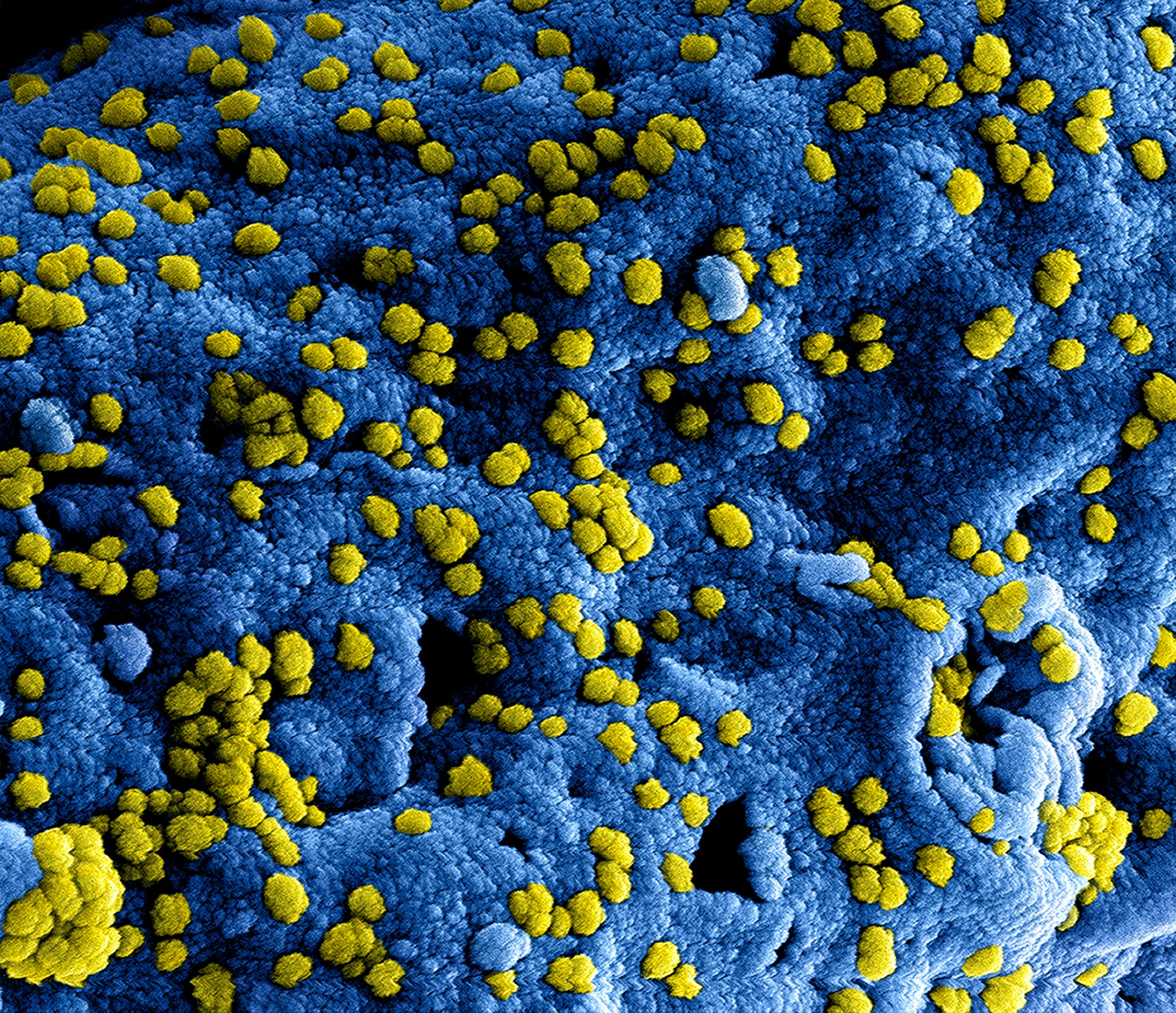
Understanding why this drug matters requires understanding what it is. RP1 is an oncolytic virus, a class of therapy that uses engineered viruses to selectively infect and destroy tumor cells while simultaneously activating the immune system against the cancer. Replimune's platform is built on a modified herpes simplex virus type 1 backbone, engineered to carry a fusogenic protein called GALV-GP R- and granulocyte-macrophage colony-stimulating factor, or GM-CSF. The fusogenic protein causes infected tumor cells to fuse together and die in a way that releases tumor antigens into the surrounding environment. The GM-CSF recruits immune cells to the site. The intended result is a local tumor kill that triggers a broader, systemic immune response capable of attacking cancer cells beyond the injected lesion.
This is the same conceptual framework that underlies talimogene laherparepvec, or T-VEC, the first oncolytic virus approved by the FDA, which received clearance for melanoma in 2015. But RP1 was designed to be more potent. The GALV-GP R- fusogenic protein is a key differentiator, intended to produce more immunogenic cell death than T-VEC's approach. The combination with nivolumab, a PD-1 checkpoint inhibitor, is designed to amplify the systemic immune response that the virus initiates.
The Data That Divided the Agency
The IGNYTE trial enrolled patients with advanced melanoma who had confirmed progression on a prior anti-PD-1 based regimen. These are patients for whom checkpoint inhibitors have already failed. In that population, RP1 plus nivolumab produced an objective response rate of approximately 34 percent, with a median duration of response of 24.8 months. For a disease where roughly half of patients do not respond to initial checkpoint immunotherapy and where options after progression are limited, those numbers are clinically meaningful. The FDA had previously agreed, granting Breakthrough Therapy Designation on the basis of this data.
The agency's concern was not with the magnitude of the responses. It was with the attribution. Because IGNYTE was a single-arm trial with no randomized control group, there is no direct way to determine how much of the observed benefit came from RP1 and how much came from nivolumab alone. Patients who have progressed on one anti-PD-1 therapy can sometimes respond to a different one, or to the same one in a different context. The FDA's reviewers argued that without a control arm, the contribution of the virus to the observed outcomes cannot be definitively established.
Replimune's counter-argument, which the advisory panel found persuasive, rested on several points. The company provided analyses showing that responses occurred in both injected and non-injected lesions, suggesting a systemic immune effect beyond what nivolumab alone would be expected to produce. It also presented data showing that median progression-free survival on RP1 plus nivolumab was 30.6 months in responding patients, compared to 4.4 months on their prior PD-1 based regimen. The panel, by a 10-3 margin, concluded that the available data were sufficient to allow the FDA to proceed with its review.
The Regulatory Subtext
The Replimune story is not just about one drug. It is a window into a broader tension within the FDA about how to evaluate single-arm trials in oncology, particularly for drugs that target populations where randomized controlled trials are difficult or ethically fraught. The IGNYTE trial enrolled patients who had already failed checkpoint immunotherapy. Randomizing those patients to a nivolumab-only arm, which they had already received and progressed on, would have been scientifically and ethically problematic. Replimune made this argument repeatedly, and the FDA's own staff acknowledged in briefing documents that a randomized control arm was not feasible in this population.
The April 2026 rejection came under the leadership of former FDA oncology chief Rick Pazdur, who had long been skeptical of single-arm accelerated approvals in oncology. The advisory committee meeting on July 30 took place under new FDA leadership, and the 10-3 vote in favor of the drug was widely interpreted as a signal that the agency's posture toward regulatory flexibility may be shifting. The FDA is not bound by the panel's recommendation, but it rarely ignores a strong majority vote, particularly when the panel has explicitly addressed the evidentiary concerns that drove the prior rejections.
What Comes Next
The FDA now has the panel's recommendation in hand and will make its own determination on whether to approve RP1. The agency's decision will carry implications well beyond Replimune. Oncolytic viruses represent a distinct and underexplored modality in cancer immunotherapy, one that has struggled to gain regulatory traction despite decades of scientific interest. T-VEC's 2015 approval was a landmark, but the class has not produced a second approved product in the decade since. If RP1 receives approval, it would validate the oncolytic virus platform as a viable combination partner for checkpoint inhibitors and likely accelerate investment in the broader field.
For patients with advanced melanoma who have exhausted checkpoint immunotherapy, the stakes are more immediate. Approximately 8,500 Americans die from advanced melanoma each year, and the treatment options after anti-PD-1 failure are limited. Replimune's CEO Sushil Patel, in the April rejection statement, described the regulatory process as one that clearly puts U.S. innovation at risk and warned that without timely approval, the development of RP1 would not be viable. The company had already announced layoffs and scaled back manufacturing operations following the second rejection. The panel vote does not reverse those decisions, but it reopens a path that had appeared closed.
The deeper question the Replimune saga raises is one that the FDA will have to answer not just for this drug but for the class of evidence it represents. Single-arm trials in heavily pretreated oncology populations will always carry interpretive uncertainty. The question is whether that uncertainty, in the context of a disease with limited alternatives and a biologically plausible mechanism, is sufficient reason to deny patients access to a therapy that a majority of independent experts found compelling. The advisory panel's answer, by a margin of 10 to 3, was no.