The Pill Race: How Structure Therapeutics Just Changed the Oral GLP-1 Calculus
Structure Therapeutics' aleniglipron showed 15% weight loss in Phase 2 trials, delivering injectable-like efficacy in pill form and reshaping the competitive landscape for oral GLP-1 obesity drugs.

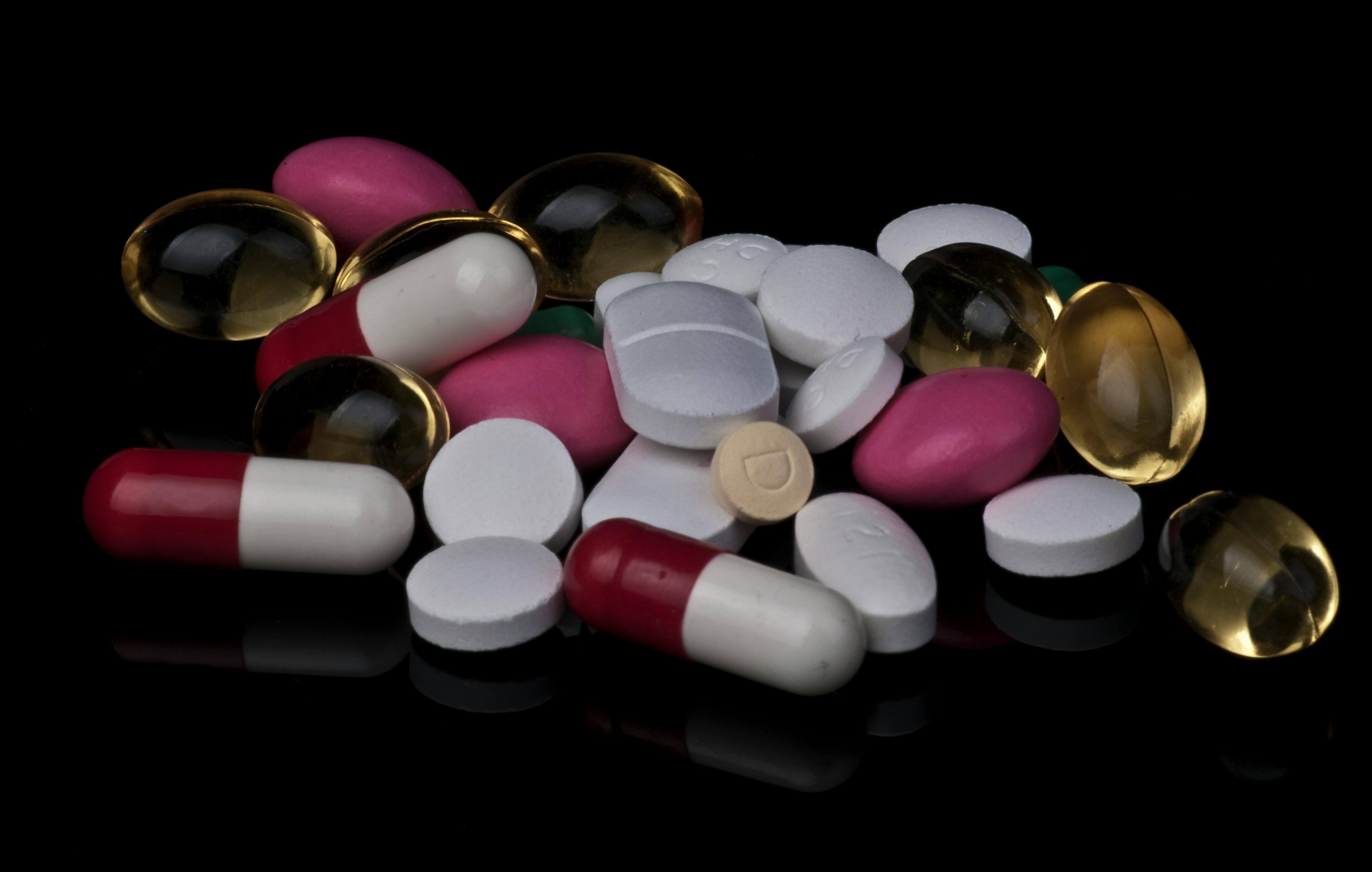
For most of the past three years, the oral obesity drug race has been a two-horse contest. Novo Nordisk launched its Wegovy pill in January 2026 to one of the fastest drug launches in pharmaceutical history, with 57,000 Americans receiving prescriptions within the first six weeks. Eli Lilly's orforglipron is sitting in the FDA's review queue, with a decision expected sometime in the second quarter. The conventional wisdom has been that whoever wins the oral GLP-1 market, it will be one of these two giants.
On March 16, 2026, a small San Francisco-based biotech called Structure Therapeutics quietly complicated that narrative. The company reported Phase 2 data for its oral GLP-1 pill, aleniglipron, showing average weight loss of 15% at 44 weeks in the highest-dose arms. Leerink Partners analyst David Risinger called it "best-in-class weight loss" data. RBC Capital Markets described aleniglipron as "another potential oral option to the market that will be competing for share in the future" alongside Wegovy's pill and orforglipron. Structure shares rose 6% on the news. The market noticed. The question is whether the broader industry has fully absorbed what this data point means.
What the Numbers Actually Show
The Phase 2 trial enrolled 73 participants, randomizing 61 to aleniglipron and 12 to placebo. All patients on the drug stepped up from 5 milligrams daily to 120 milligrams over 20 weeks. At week 28, they were re-randomized to stay at 120mg or escalate to 180mg or 240mg. The results at 44 weeks were striking: the 240mg arm lost an average of 15% of body weight, the 180mg arm lost 15.3%, and the placebo group gained 1.1%. Only one patient at doses of 120mg or higher dropped out due to a side effect, a meaningful improvement over earlier tolerability data that had raised questions about the drug's viability.
That tolerability improvement deserves emphasis. The oral GLP-1 space has been littered with drugs that showed promising efficacy but stumbled on gastrointestinal side effects that drove patients off treatment. Structure's earlier data had shown higher discontinuation rates. The company addressed this by implementing a slower dose escalation strategy, and the results suggest the approach worked. A drug that patients can actually stay on is worth considerably more than a drug with superior peak efficacy that most patients abandon within months.
The Competitive Landscape Is More Crowded Than It Looks
The oral GLP-1 market is entering a phase of genuine scientific competition that the injectable market never quite experienced. Wegovy and Zepbound competed on efficacy, but they were both injectables, and the patient populations willing to self-inject were already self-selected for adherence. The oral market is different. It will reach patients who would never have considered a weekly injection, which means the total addressable population is larger, but it also means tolerability and convenience will matter more than they did in the injectable era.
Structure is not the only challenger. AstraZeneca and Merck are both advancing oral GLP-1 programs. Kailera Therapeutics, backed by $600 million in venture capital, is developing a dual-acting oral obesity pill licensed from China's Hengrui. The competitive dynamics are beginning to resemble the early days of the statin market, where multiple effective drugs competed on tolerability, dosing convenience, and price rather than on binary efficacy differences. That is a market structure that tends to reward differentiation and punish commoditization.
What makes aleniglipron's data particularly interesting is the weight loss magnitude. The 15% figure at 44 weeks is competitive with what Lilly's orforglipron showed in its pivotal trials, and it approaches the territory that injectable tirzepatide occupies. If Structure can replicate these results in a larger, randomized Phase 3 trial, it would have a credible claim to the "injectable-like efficacy in a pill" positioning that the entire oral GLP-1 field has been chasing. That claim, if validated, is commercially significant in ways that go beyond Structure's own market cap.
The Phase 3 Question and What It Will Take
Structure plans to meet with the FDA in the second quarter of 2026 to discuss the design of a pivotal study, with enrollment expected to begin in the second half of the year. That timeline puts a potential approval somewhere in 2028 or 2029, assuming the Phase 3 succeeds and the regulatory process moves efficiently. By that point, orforglipron will have been on the market for two to three years, and Novo's Wegovy pill will have had time to build a substantial installed base of patients and prescribers.
The late-mover challenge in pharmaceuticals is real but not insurmountable. The GLP-1 market is large enough, and growing fast enough, that a drug with genuinely differentiated efficacy or tolerability can carve out a meaningful position even against entrenched competitors. The more important question for Structure is whether the Phase 2 data will hold up at scale. Phase 2 trials in obesity have a history of producing results that look compelling in small, carefully selected populations and then disappoint in the broader, messier populations that Phase 3 trials enroll. The 73-patient trial that generated these results is not a pivotal study. It is a proof of concept that justifies the investment in a pivotal study.
What This Means for the Broader Market
The Structure data point arrives at a moment when the oral GLP-1 market is still being defined. Novo's Wegovy pill is off to a fast start, but fast starts in pharmaceuticals do not always translate into durable market leadership. The history of blockbuster drug categories is full of first movers who were eventually displaced by drugs with better tolerability profiles, more convenient dosing, or lower prices. The oral GLP-1 market will almost certainly follow a similar pattern over the next decade.
For investors and industry observers, the more important signal from the Structure data is what it says about the scientific tractability of the oral GLP-1 problem. For years, the conventional wisdom was that achieving injectable-like efficacy in an oral GLP-1 was extraordinarily difficult, and that the oral drugs would always carry a meaningful efficacy discount relative to their injectable counterparts. The accumulating data from multiple programs, including aleniglipron, is beginning to challenge that assumption. If oral GLP-1 drugs can reliably deliver 15% weight loss with acceptable tolerability, the market dynamics of the entire obesity treatment category will shift in ways that are still difficult to fully anticipate.
Structure Therapeutics went public in 2023 and has more than tripled its value since. The Phase 2 data released this week is the reason investors have been willing to hold through the uncertainty of early-stage development. Whether that confidence is ultimately rewarded will depend on what happens in Phase 3. But for now, the oral GLP-1 race has a new contender with data worth taking seriously.