New Phase 3 Data Reveals Why PolyPid's Approach to Surgical Infections Could Upend the Antibiotic Playbook
New pharmacokinetic data shows D-PLEX₁₀₀ delivers 30 days of infection protection using a fraction of the antibiotics used to treat infections today…

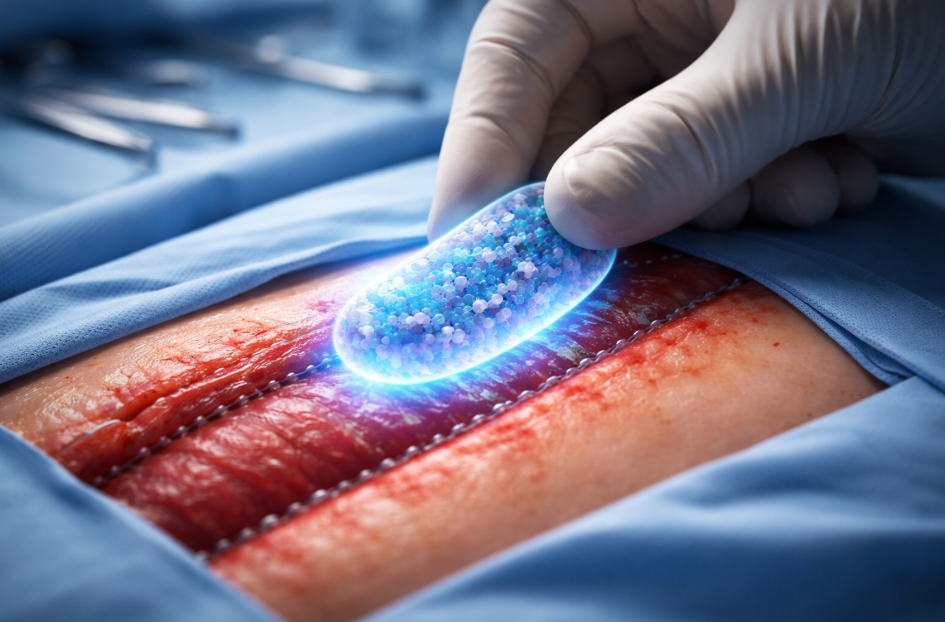
New pharmacokinetic data shows D-PLEX₁₀₀ delivers 30 days of infection protection using a fraction of the antibiotics used to treat infections today, with minimal to no impact on the rest of the body
Think about the last time you were prescribed antibiotics for something routine, like a common bacterial infection. Your doctor may have told you to take 100mg pills, twice a day, for 10 days, and to finish the entire course. That adds up to 2,000mg of antibiotics flooding your entire body to fight an infection in one specific place. The antibiotic doesn't distinguish between the targeted bacteria and the trillions of beneficial microbes in your gut. It just carpet-bombs everything.
Now consider what PolyPid (NASDAQ: PYPD) is doing with D-PLEX₁₀₀, its lead drug candidate for preventing infections after abdominal colorectal surgery. New pharmacokinetic data from the company's successful Phase 3 SHIELD II trial, being presented this week at the ESCMID (European Society of Clinical Microbiology and Infectious Diseases) Global 2026 congress in Munich, shows that D-PLEX₁₀₀ delivers continuous antibiotic protection directly at the surgical wound for over 30 days using 162mg of total antibiotic, roughly 92% less drug than a standard oral antibiotic course. At the same time plasma concentrations remained below 100 ng/mL throughout the entire treatment period, indicating minimal systemic exposure.
For context, taking a single 100mg oral doxycycline pill produces peak blood levels of approximately 1,613 ng/mL. A 200mg dose reaches about 2,600 ng/mL. In other words, D-PLEX₁₀₀ keeps systemic drug levels 16 to 26 times lower than a standard oral dose, while maintaining effective antibiotic concentrations right where the infection risk actually lives: at the surgical incision.
Why Minimal Systemic Exposure Matters
This is not just a nice pharmacological detail. It touches on one of the most pressing issues in modern medicine: what systemic antibiotics do to the rest of your body while they treat a localized problem.
The gut microbiome, the vast community of bacteria essential to digestion, immune function, and overall health, has become one of the hottest areas of medical research. Systemic antibiotics are known to disrupt this ecosystem, sometimes severely. In surgical patients, that disruption can lead to secondary infections, including Clostridioides difficile (C. diff), a potentially life-threatening complication that is particularly dangerous in patients recovering from colorectal surgery.
Then there is antibiotic resistance, which the World Health Organization has called one of the greatest threats to global health. Every course of systemic antibiotics creates selective pressure, giving resistant bacteria an evolutionary advantage. Surgical site infections account for roughly 20% of all hospital-acquired infections in the U.S., and the prophylactic IV antibiotics used to prevent them contribute meaningfully to resistance patterns. A localized delivery approach that minimizes systemic drug levels could significantly reduce that pressure.
PolyPid's D-PLEX₁₀₀ works by using the company's proprietary Kynatrix delivery technology (formerly known as PLEX) to encapsulate doxycycline, a well-established broad-spectrum antibiotic and is included on the WHO Essential Medicines List. Rather than circulating through the bloodstream, the drug is released in a controlled, continuous manner directly at the surgical site. The new ESCMID data confirms this mechanism in human patients, showing very low doxycycline concentrations in the blood for up to 763 hours, approximately 32 days, with no initial burst of drug release.
Clinical Results Back Up the Science
Of course, a favorable pharmacokinetic profile matters little without clinical efficacy. On that front, PolyPid already has strong data in hand. The Phase 3 SHIELD II trial, which enrolled 798 patients with large abdominal surgical incisions, demonstrated a statistically significant 60% reduction in surgical site infection rates for patients receiving D-PLEX₁₀₀ plus standard of care versus standard of care alone (p=0.0013). The trial met its primary composite endpoint and all key secondary endpoints, with no safety concerns raised by the independent Data Safety Monitoring Board.
D-PLEX₁₀₀ holds Breakthrough Therapy, Fast Track, and Qualified Infectious Disease Product (QIDP) designations from the FDA, all of which may accelerate the regulatory timeline. The company initiated its rolling NDA submission on March 31, 2026, filing the CMC and nonclinical sections, with the clinical module expected to complete the submission in Q2 2026.
The Bigger Picture
Surgical site infections cost the U.S. healthcare system an estimated $10 billion annually, extending hospital stays by 7 to 11 days and increasing mortality risk by up to 11 times. With roughly 12 million eligible surgeries performed annually in the U.S. alone, the addressable market is substantial. The ESCMID pharmacokinetic data adds an important dimension to D-PLEX₁₀₀'s story: not only does it appear to work, but it may also do so while sparing the body from the collateral damage that systemic antibiotics inflict. For a healthcare system grappling with antibiotic resistance and rising costs, that combination could prove compelling.
As PolyPid advances toward its NDA submission, the company appears positioned at the intersection of two powerful trends: the clinical need for better surgical infection prevention and the growing recognition that how we deliver antibiotics may matter as much as which ones we use.
Read this Next >> When Pharma Sits at the AI Safety Table: What Narasimhan's Anthropic Appointment Really Means
Recent News Highlights From PolyPid
PolyPid to Present New Phase 3 SHIELD II Data Demonstrating D-PLEX₁₀₀ Sustained Local Release at ESCMID Global 2026
PolyPid Initiates D-PLEX₁₀₀ NDA Submission to the FDA
PolyPid Receives PDUFA Fee Waiver from FDA for D-PLEX₁₀₀’s New Drug Application
PolyPid Provides Corporate Update and Reports Fourth Quarter and Full-Year 2025 Financial Results
Important Disclaimers & Disclosures: This content is a form of paid promotional content and advertising. Wall Street Wire receives cash compensation from PolyPid Ltd for promotional media services provided on an ongoing subscription basis. This content is for informational purposes only and does not constitute financial advice. Wall Street Wire is not a broker-dealer or investment adviser. Full compensation details and information regarding the operator of Wall Street Wire are available wallstwire.ai/disclosures. We are not responsible for any market size figures that may be cited in this article nor do we endorse them, they are quoted based on publicly available news reports and additional price targets or figures may exist that may not have been quoted. This article should not be considered an official communication by the issuer.