Nasus Pharma's Positive Phase 2 Interim Data Signals Significant Advancements in Anaphylaxis Treatment

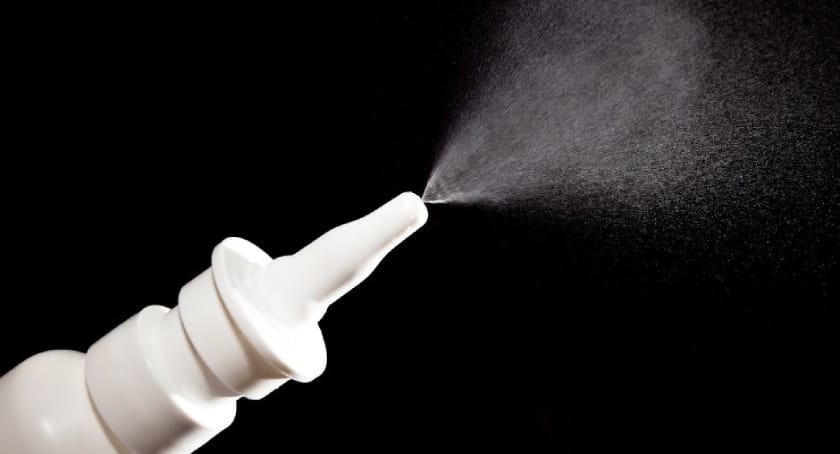
Nasus Pharma (NYSE: NSRX) announced compelling interim Phase 2 results this week for NS002, its investigational intranasal epinephrine powder, demonstrating pharmacokinetic advantages over the standard-of-care EpiPen autoinjector. The data showed NS002 achieved both faster absorption and higher peak concentrations of epinephrine—critical factors in a medical emergency where every minute counts.
The results position NS002 as a potential best-in-class entrant in the emerging needle-free epinephrine market, following the FDA's August 2024 approval of Neffy, ARS Pharma's liquid nasal spray, which validated the regulatory pathway for intranasal epinephrine products and the potential market. A third needle-free alternative, Aquestive Therapeutics' Anaphylm sublingual film, awaits an FDA decision in January 2026.
Superior Pharmacokinetics in the Critical Early Window
The interim analysis of the two cohort, each with of 25 participants, revealed striking differences in epinephrine delivery. Critically, 91% of subjects administered NS002 reached the therapeutic plasma threshold of 100 pg/ml within five minutes, compared to just 67% of those receiving EpiPen - a difference that could prove life-saving when anaphylaxis strikes.
NS002 also demonstrated a higher mean peak plasma concentration of 655 pg/ml versus 548 pg/ml for EpiPen and achieved maximum concentration in 10.8 minutes compared to 15 minutes with the autoinjector. Perhaps most significantly, total epinephrine exposure in the first ten minutes following administration - the critical window for resolving anaphylaxis - was substantially higher with NS002, with an area under the curve of 55 h·pg/ml compared to 32 h·pg/ml for EpiPen.
"We are extremely pleased with these positive interim results, which we believe further validate NS002's potential as a first-in-class intranasal powder epinephrine product for patients with severe allergies," says Dan Teleman, Nasus Pharma's CEO. "The sustained performance of NS002 across single and repeat dosing scenarios, including under conditions simulating real-world allergic reactions, reinforces the pharmacokinetic advantages we're seeing."

Why Speed Matters in Anaphylaxis
The pharmacokinetic advantages carry real clinical significance. Dr. Michael Blaiss, Clinical Professor of Allergy and Immunology at the Medical College of Georgia and member of Nasus Pharma's Scientific Advisory Board, noted that the data showed NS002 delivered epinephrine to the bloodstream faster and achieved higher concentrations than an intramuscular autoinjector.
"In anaphylaxis, outcomes are highly time-dependent, and delays in achieving effective pharmacologic action are associated with increased mortality," Dr. Blaiss explained in the company's announcement. "These pharmacokinetic advantages, combined with the needle-free administration, could help address the significant compliance challenges we see with current treatments."
That compliance issue is substantial. According to Cantor Fitzgerald Research and Raymond James Research, while an estimated 20 million people in the U.S. are at risk of anaphylaxis, only around 7 million currently have an epinephrine prescription—and of those prescribed, approximately 50% do not consistently carry their autoinjectors, often due to needle phobia, bulky device size, or complexity. The needle-free, pocket-sized design of NS002 directly addresses these barriers while potentially delivering superior pharmacological performance.
Robust Safety Profile and Repeat Dosing
The study enrolled 50 healthy adults with a history of allergic rhinitis across two cohorts. The first cohort received NS002 or intramuscular EpiPen with and without a nasal allergic challenge, while the second cohort evaluated repeat dosing, a clinically relevant scenario, as patients experiencing severe anaphylaxis may require multiple administrations to fully resolve symptoms.
NS002 was well tolerated across all 50 participants, with no serious adverse events reported. The majority of treatment-emergent adverse events were mild and self-resolving, primarily consisting of local effects. Pharmacodynamic responses, including changes in blood pressure and pulse rate, were comparable to those observed with EpiPen and remained within the normal range.
"We look forward to advancing to our pivotal clinical program," Teleman says. The company expects to announce the full Phase 2 study by the end of the first quarter of 2026, incorporating data from all 50 participants
Accelerating Toward Pivotal Trials
Nasus has laid out an aggressive development timeline for 2026. Following completion of the Phase 2 data analysis, the company plans to submit an Investigational New Drug application to the FDA in the third quarter, followed by pivotal study initiation in the fourth quarter which expects to read out in the first quarter in 2027.
The regulatory pathway appears increasingly de-risked following the FDA's August 2024 approval of Neffy, ARS Pharma's liquid nasal spray for anaphylaxis, which established precedent for using pharmacokinetic and pharmacodynamic comparability to intramuscular epinephrine as an acceptable approval pathway. NS002's dry-powder formulation may offer potential advantages in stability and shelf life compared to liquid formulations, with Nasus reporting five-year stability data at room temperature.
Addressing a Multi-Billion Dollar Market
The global epinephrine market is experiencing robust growth, with multiple market research firms projecting the market will more than double over the next decade. Current estimates place the 2024 global epinephrine market at $2.3 to $3.3 billion, with projections reaching $4.4 to $7.1 billion by 2032, representing compound annual growth rates of 8.5% to 11.8%. With an estimated 15 to 20 million Americans at risk for severe allergic reactions, the commercial opportunity for effective, user-friendly alternatives is substantial and expanding.
"NS002 has the potential to offer an improved way to deliver life-saving medications: fast, needle-free, portable, and stable without refrigeration," Teleman emphasizes. "We're demonstrating this potential in a large and growing market where rapid drug delivery can make the difference between life and death. Beyond NS002, our powder-based intranasal delivery platform technology has broad potential across other large therapeutic markets, and we're actively exploring additional indications that could benefit from this approach."
Read this next >> Alpha Tau’s Radiation Therapy Shows it Could Treat Pancreatic Cancer While Preserving the Immune System
Recent News Highlights from Nasus Pharma
Nasus Pharma CEO Issues 2025 Letter to Shareholders
Important Disclaimers and Disclosures: The author, Wall Street Wire, is a content and media technology platform that connects the market with under-the-radar companies. The platform operates a network of industry-focused media channels spanning finance, biopharma, cyber, AI, and additional sectors, delivering insights on both broader market developments and emerging or overlooked companies. The content above is a form of paid promotional content and advertising. Wall Street Wire has receives cash compensation from Nasus Pharma Ltd for promotional media services which are provided on an ongoing basis. This content is for informational purposes only and does not constitute financial or investment advice. Wall Street Wire is not a broker-dealer or investment adviser. Full compensation details, information about the operator of Wall Street Wire, and the complete set of disclaimers and disclosures applicable to this content are available at: wallstwire.ai/disclosures. Market size figures or other estimates referenced in this article are quoted from publicly available sources; we do not independently verify or endorse them, and additional figures or estimates may exist. This article should not be considered an official communication of the issuer.