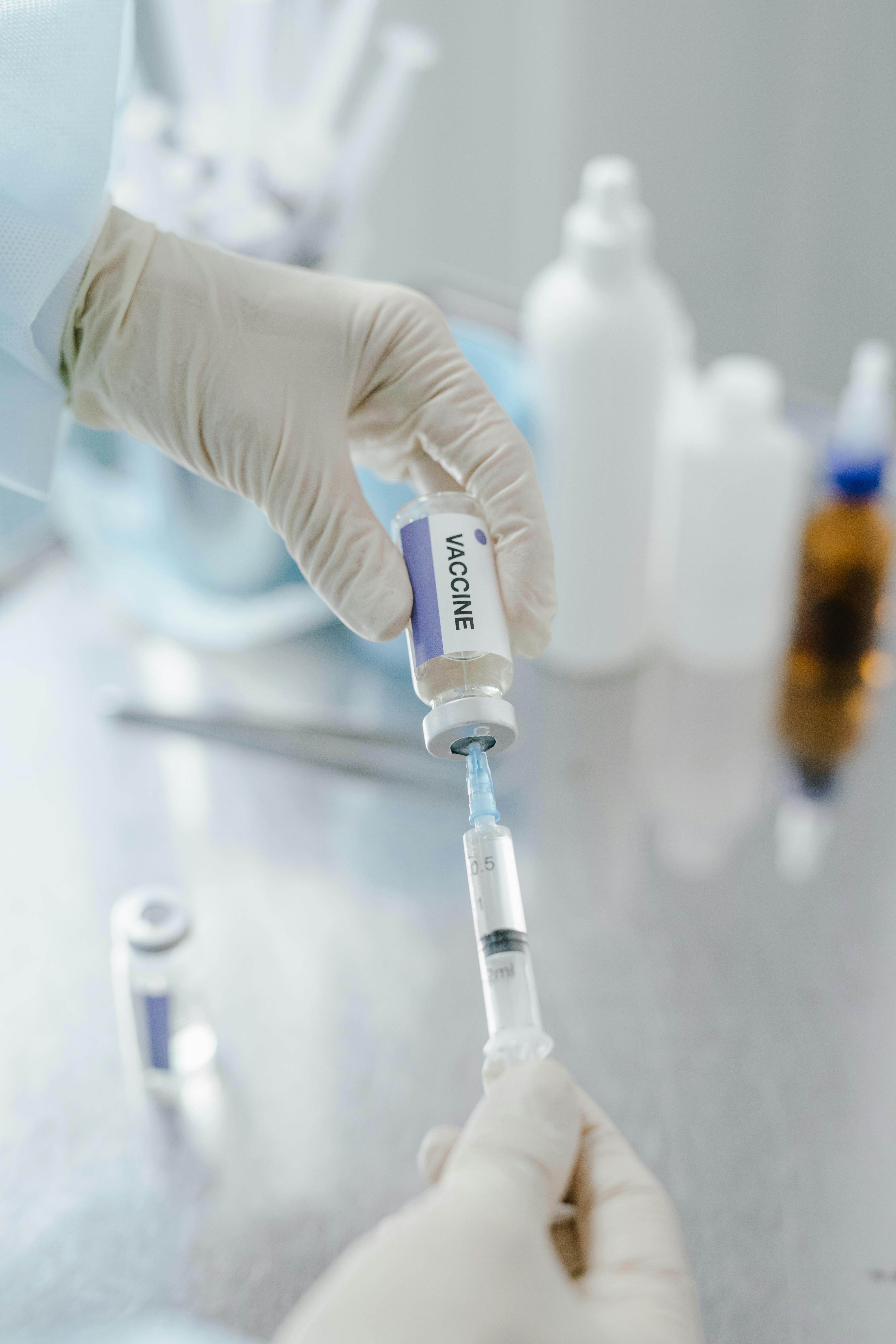
Insilico's $292 Million IPO Marks Watershed Moment for AI-Driven Drug Discovery
Insilico Medicine completes Hong Kong's largest biotech IPO of 2025, raising $292 million and becoming the first AI-driven biotech company to list on the Hong Kong Stock Exchange's Main Board.


The final trading day of 2025 witnessed a historic milestone as Insilico Medicine completed the largest biotech IPO in Hong Kong for the year, raising HKD 2.277 billion ($292 million) and becoming the first AI-driven biotechnology company to list on the Hong Kong Stock Exchange's Main Board. The overwhelming investor response, with the public offering oversubscribed by more than 1,400 times, signals a fundamental shift in how the pharmaceutical industry views artificial intelligence's role in drug development.
The IPO's success extends far beyond impressive subscription numbers. With cornerstone investors including pharmaceutical giant Eli Lilly, technology leader Tencent, sovereign wealth fund Temasek, and asset management powerhouses UBS and Oaktree Capital, the offering represents a convergence of traditional pharmaceutical expertise, cutting-edge technology, and institutional capital around a single transformative thesis: AI can fundamentally reshape how medicines are discovered and developed.
Validating the AI Revolution in Drug Discovery
Insilico Medicine's public market debut arrives at a critical juncture for the pharmaceutical industry. Traditional drug discovery remains notoriously expensive and time-consuming, with average development timelines stretching 10-15 years and costs exceeding $2.6 billion per approved drug. The company's demonstrated ability to compress early-stage discovery from the industry standard of 4.5 years to just 12-18 months represents more than incremental improvement; it suggests a paradigm shift that could democratize pharmaceutical innovation.
The validation extends beyond theoretical promise to clinical reality. Rentosertib, Insilico's lead candidate for idiopathic pulmonary fibrosis, represents the most advanced AI-discovered drug currently in development. The program's journey from target identification to Phase II clinical trials, accomplished in record time with only 78 molecules synthesized and tested, provides concrete evidence that AI can deliver on its transformative potential.
Perhaps more significantly, the drug's Phase IIa results, published in Nature Medicine, demonstrated not just safety and tolerability but emerging dose-dependent efficacy trends suggesting potential disease reversal. This clinical proof-of-concept milestone validates the entire AI-driven drug discovery approach and provides a template for future programs across multiple therapeutic areas.
Industry Transformation Through Strategic Partnerships
The breadth of Insilico's commercial relationships underscores AI's growing acceptance within established pharmaceutical companies. With software licensing collaborations spanning 13 of the world's top 20 pharmaceutical companies, the company has positioned itself as essential infrastructure for next-generation drug discovery rather than merely another biotech competitor.
This strategic positioning reflects sophisticated understanding of industry dynamics. Rather than competing directly with pharmaceutical giants, Insilico has created a platform that enhances their capabilities while building its own proprietary pipeline. The approach enables rapid scaling of AI applications across the industry while generating recurring revenue streams that support continued platform development.
The company's out-licensing deals with Exelixis and Menarini, valued at up to $2.1 billion combined, demonstrate that AI-discovered assets command premium valuations. These partnerships validate both the quality of AI-generated drug candidates and the commercial viability of the AI-driven discovery model.
Capital Allocation and Future Trajectory
Insilico's planned use of IPO proceeds reveals a balanced approach to growth and innovation. The allocation of 48% to clinical development of key pipeline candidates reflects confidence in current assets while ensuring adequate funding for expensive late-stage trials. The 20% dedicated to early-stage research and development maintains the innovation pipeline that drives long-term value creation.
Particularly noteworthy is the 15% allocation to new generative AI model development. This investment recognizes that competitive advantage in AI-driven drug discovery depends on continuous algorithmic advancement. As the field evolves rapidly, companies must invest heavily in next-generation capabilities to maintain technological leadership.
The 12% dedicated to automated laboratory expansion addresses a critical bottleneck in AI-driven discovery. Insilico's "lights-out" Life Star facilities, which integrate AI design with robotic synthesis and testing, represent the physical infrastructure necessary to realize AI's full potential. The ability to rapidly iterate between computational design and experimental validation creates competitive advantages that pure software approaches cannot match.
Broader Implications for Biotech Innovation
The IPO's success signals growing investor confidence in AI applications beyond traditional technology sectors. The participation of cornerstone investors from diverse backgrounds, including first-time biotech investments from Lilly and Tencent, suggests that AI-driven drug discovery has achieved mainstream acceptance among sophisticated institutional investors.
This validation could catalyze increased investment across the AI-biotech sector, potentially accelerating the development of competing platforms and expanding the overall market for AI-driven pharmaceutical innovation. The demonstration that AI companies can achieve substantial public market valuations may encourage other AI-focused biotechs to pursue similar paths to liquidity.
For patients with rare and complex diseases, Insilico's success represents hope for accelerated therapeutic development. The company's structured portfolio spanning fibrosis, oncology, immunology, and central nervous system diseases suggests that AI's benefits may extend across multiple therapeutic areas where traditional approaches have struggled.
As Insilico begins its journey as a public company, the pharmaceutical industry watches closely. The company's ability to execute on its ambitious clinical development plans while continuing to advance its AI platform will determine whether this IPO marks the beginning of a new era in drug discovery or merely an impressive but isolated achievement. For an industry desperately seeking innovation, the stakes could not be higher.