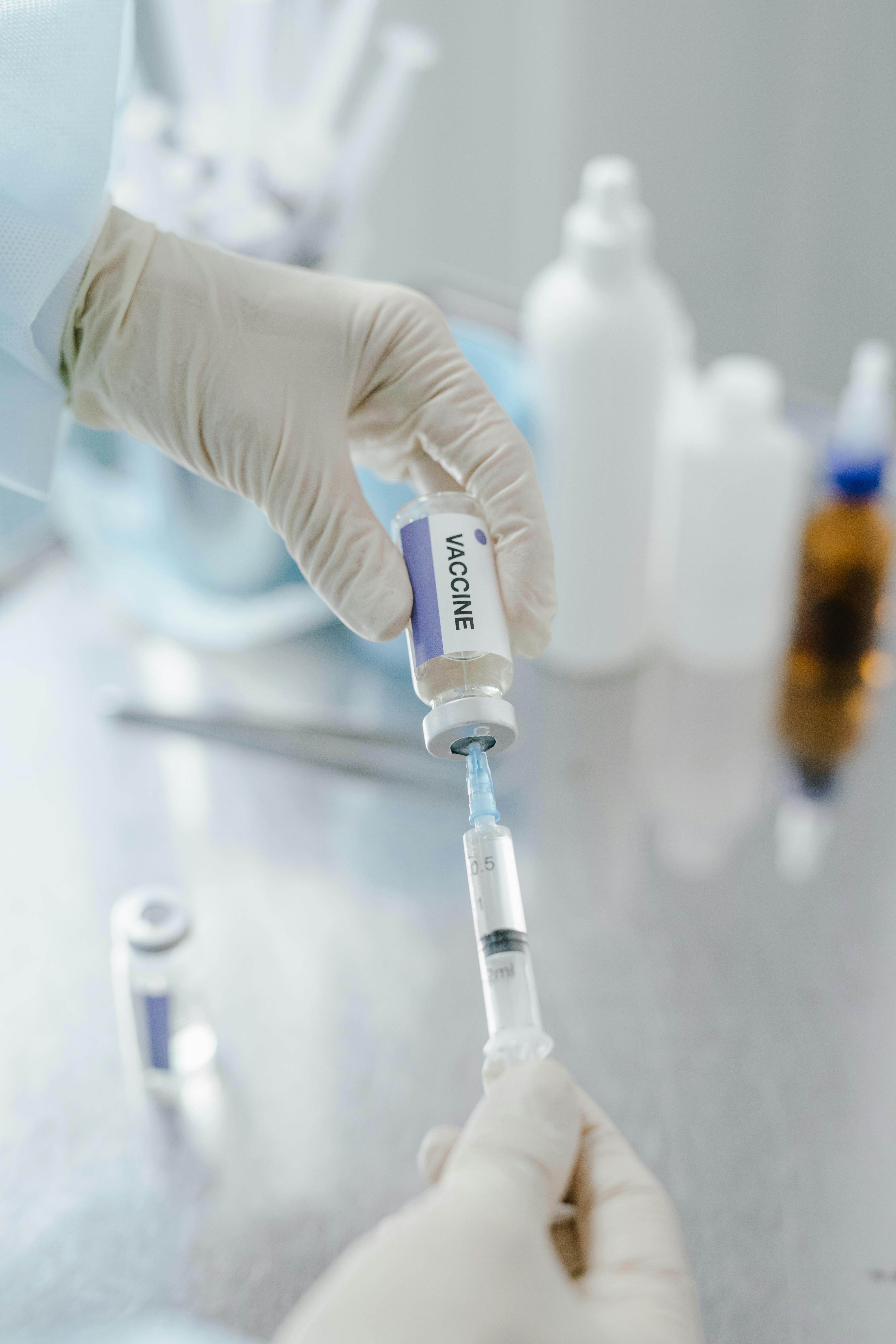
Entera Bio's Next-to-Clinic Program Looks to Transform a Hormone Therapy That Patients Rely On for Life


In May 2024, AstraZeneca completed a $1.05 billion acquisition of Amolyt Pharma, securing eneboparatide – a daily injectable therapy for hypoparathyroidism that had demonstrated promising Phase 2 data but had not yet completed Phase 3. The deal reflected big pharma's conviction that hormone replacement for hypoparathyroidism represents a substantial commercial opportunity.
Ascendis Pharma's Yorvipath, approved by the FDA in August 2024, drove the company's market capitalization from roughly $4 billion in 2023 to over $12 billion today – a trajectory built largely on a monopoly position in once-daily injectable PTH replacement for hypoparathyroidism.
The target is validated, injectables are on the market and well-funded. But one question remains unanswered: can anyone deliver PTH in a single pill for patients who require this protein for the remainder of their life?
Entera Bio (NASDAQ: ENTX) was the first company to address this critical need. Committed to developing oral peptides in simple tablet form for important underserved and women-centric conditions, in 2021 the company published in JBMR its first Phase 2 data in hypoparathyroidism patients – this was the first published oral PTH(1-34) replacement therapy in tablet form.
Entera’s oral treatment over 4 months demonstrated a 42% reduction in calcium supplementation requirements, maintained calcium levels, and rapidly decreased serum phosphate. However, this was a four-times-a-day regimen with multiple pills.
On December 22, 2025, Entera unveiled that it plans to go back to clinic with a novel long-acting PTH(1-34) candidate for patients with hypoparathyroidism, specifically designed to allow one tablet once a day. The company already has orphan drug status for this program in the US and EU.
Why This Market Matters
At roughly 220,000 patients across the U.S. and the EU, hypoparathyroidism sits squarely in orphan-disease territory – and the economics are substantial. Yorvipath generated €103 million in revenue in one quarter (Q2 2025) alone, with approximately 3,100 unique patient enrollments.
Three factors drive the attractiveness of this market. First, hypoparathyroidism is a lifelong disease – a patient diagnosed at 40 may face more than three decades of therapy. Second, the market remains underserved: many patients are still managed with calcium and vitamin D supplementation rather than true hormone replacement. Third, willingness to pay is high when the alternative treatment includes chronic risks such as brain fog, cognitive dysfunction, seizures, renal dysfunction, calcification of soft tissue, kidney stones, and cognitive dysfunction.
The Competitive Landscape
Injectable therapies have executed. Yorvipath is on the market. Eneboparatide met its primary endpoint in Phase 3, though AstraZeneca is continuing the trial through 52 weeks to further characterize the risk-benefit profile before regulatory submission. MBX Biosciences' once-weekly canvuparatide demonstrated a 63% responder rate in Phase 2 and is preparing for Phase 3.
There are oral approaches in development, but they are mechanistically distinct, without validating data, or earlier-stage. BridgeBio's encaleret is an oral calcium-sensing receptor antagonist – not PTH replacement – and targets autosomal dominant hypocalcemia type 1 (ADH1), a genetic subset representing roughly 5–6% of the broader hypoparathyroidism population. Septerna discontinued its first oral PTH receptor agonist (SEP-786) following safety findings of this small molecule approach in early 2025, but the company has selected a next-generation candidate (SEP-479) with Phase 1 planned for the first half of 2026, using a small molecule approach again.
The bottom line: true oral PTH replacement remains an unsolved problem, with three identifiable orals in development – one addressing a minority segment of patients, the other a small molecule approach.
Why Oral Matters When a Treatment Is Needed for Life
In a six-month clinical trial, injection burden is manageable. Hypoparathyroidism, however, is not a six-month disease.
Over decades, adherence to injections decays. Access friction compounds — cold-chain logistics, training, sharps disposal. And when efficacy is comparable, patients consistently prefer oral therapies. This pattern has repeated across diabetes, oncology, and other chronic conditions.
There is also a clinical consideration. Hypoparathyroidism is a heterogeneous disease — patients have varying levels of residual endogenous PTH, requiring individualized treatment. Hypercalcemia is a known concern with injectable PTH therapies, demanding careful monitoring over years of use. An oral tablet may offer advantages in titration and personalization: the ability to adjust dosing more flexibly to match each patient's needs while potentially reducing hypercalcemia risk. Addressing these clinical issues to create a better patient experience is a hallmark of Entera's hypoparathyroidism thesis.
The Data
In its earlier published Phase 2a study in hypoparathyroidism patients, Entera's oral PTH candidate EB612 reduced calcium supplementation by 42% and lowered serum phosphate levels, with no treatment-related serious adverse events reported. Subsequent Phase 1 work demonstrated sustained pharmacodynamic effects with twice-daily dosing.
The remaining challenge has been dosing frequency. Early studies required four doses per day, later improved to twice daily — feasible in trials, but burdensome over decades of real-world use.
More recently, preclinical data from Entera evaluating Entera’s current long-acting oral PTH analogs in development showed sustained calcium elevation for more than three days following a single oral dose in animal models. If these results translate to humans, once-daily dosing becomes plausible — a meaningful shift from clinical proof-of-concept toward a commercially viable therapy. This data supports a one-tablet-once-a-day regimen.
The Platform Potential
EB612 is one application of Entera's N-Tab™ oral peptide platform. The company's broader pipeline includes wholly owned Phase 3-ready short-acting PTH(1-34) oral tablet EB613 for osteoporosis (also a women-centric condition that is vastly undertreated), an oral GLP-2 program for short bowel syndrome, and an oral oxyntomodulin program targeting obesity, both in collaboration with OPKO Health — each a separate opportunity for oral delivery of peptides that historically required injection.
Entera currently trades at a market capitalization of approximately $80 million. December's preclinical data supports further development of a once-daily oral PTH candidate, positioning the EB612 program as an additional potential value driver beyond the company's Phase 3-approaching osteoporosis asset.
Recent News Highlights From Entera Bio
Entera Bio Announces Third Quarter 2025 Financial Results and Business Updates
Entera Bio to Participate in the 8th Annual Evercore ISI Healthcare Conference
Important Disclaimers & Disclosures: This content is a form of paid promotional content and advertising. Wall Street Wire receives cash compensation from Entera Bio Ltd Ltd for promotional media services provided on an ongoing subscription basis. This content is for informational purposes only and does not constitute financial advice. Wall Street Wire is not a broker-dealer or investment adviser. Full compensation details and information regarding the operator of Wall Street Wire are available wallstwire.ai/disclosures. We are not responsible for any market size figures that may be cited in this article nor do we endorse them, they are quoted based on publicly available news reports and additional price targets or figures may exist that may not have been quoted. This article should not be considered an official communication by the issuer.